
ZYN pouches deliver 3-6 mg of nicotine per pouch without tobacco leaf, but nicotine itself drives addiction, raises blood pressure, constricts arteries, and damages gum tissue -- none of which require combustion to cause harm. The FDA authorized 20 ZYN products for sale in January 2025 and, in June 2026, let them be marketed as lower risk than cigarettes. Neither order means safe: in the FDA's words, "there is no safe tobacco product."
We make nicotine-free focus pouches with functional mushrooms and adaptogens instead of nicotine. We're not neutral here. But we'll lay out exactly what the research says about ZYN's health risks, what it gets right, and where it falls short -- so you can decide for yourself.
What Is ZYN and How Does It Work?
ZYN is an oral nicotine pouch made by Swedish Match (now owned by Philip Morris International). You place it between your upper lip and gum.
Classic ZYN pouches contain 3 mg or 6 mg of nicotine as a nicotine salt (nicotine bitartrate dihydrate), plus pH adjusters, fillers, sweeteners, and flavorings; ZYN Ultra comes in 9 mg and 11 mg (zyn.com, checked October 2026). A classic can holds 15 pouches and costs roughly $5. Unlike snus, ZYN contains no tobacco leaf -- but the nicotine is still derived from the tobacco plant.
On January 16, 2025, the FDA authorized 20 ZYN products (10 flavors, each in 3 mg and 6 mg) through its Premarket Tobacco Product Application (PMTA) pathway, the first nicotine pouches it authorized. On June 30, 2026, it issued modified risk orders for the same 20 products, which let Swedish Match advertise that "Using ZYN instead of cigarettes puts you at a lower risk of mouth cancer, heart disease, lung cancer, stroke, emphysema, and chronic bronchitis." Both orders cover only those 20 products, and the FDA says authorization does not mean a product is safe or "FDA approved."
What Are the Health Risks of ZYN Pouches?
ZYN's risks fall into four categories: cardiovascular effects, oral health damage, nicotine dependency, and acute side effects.
Cardiovascular Effects
Nicotine is a sympathomimetic stimulant. It triggers the release of catecholamines (epinephrine, norepinephrine), which raise heart rate and blood pressure acutely. A 2025 systematic review and meta-analysis found that acute nicotine-containing e-cigarette use raised systolic blood pressure by an average of 3.14 mmHg (PMID: 41150531). The same mechanisms apply to oral nicotine delivery.
A 2009 meta-analysis in the BMJ by Boffetta and Straif found that smokeless tobacco use was associated with a 13% increase in the risk of fatal myocardial infarction (relative risk 1.13) and a 40% increase in fatal stroke risk (PMID: 19690343). The mechanism is vasoconstriction: nicotine constricts blood vessels, forcing the heart to work harder with every beat.
Oral Health Damage
Placing a nicotine pouch against your gums for 30-60 minutes per session causes localized irritation. Over time, this contributes to gum recession -- the gum tissue pulls away from the tooth, exposing the root surface.
A 2025 case report in BMC Oral Health documented two young men (ages 22 and 25) who developed localized gum recession and leukoplakia at the exact sites where they placed nicotine pouches daily for 11 and 18 months, respectively (PMID: 41310598). Nicotine itself reduces blood flow to gum tissue, impairing healing and masking early signs of periodontal disease. Your gums may look pale and feel fine while the damage accumulates underneath.
Dentists report being able to identify nicotine pouch users by the characteristic white or thickened mucosal patches where pouches are placed -- a condition called leukoplakia. Most cases are benign, but some can be precancerous.
Nicotine Dependency
Nicotine is one of the most addictive substances known. It activates nicotinic acetylcholine receptors in the brain's reward pathway, triggering dopamine release. A pharmacology review in the Annual Review of Pharmacology and Toxicology confirmed that nicotine dependence is highly heritable and that nicotine sustains tobacco addiction across all delivery methods (PMID: 18834313). Most people who use nicotine products regularly develop dependence.
ZYN's all-day use pattern creates a steady-state dependency. Many users report escalating from one can per day to two or three within months.
Acute Side Effects
Common short-term side effects include hiccups, nausea, throat irritation, and headaches. These are more frequent in new users and with the 6 mg strength. Nicotine poisoning -- with symptoms including vomiting, dizziness, and in rare cases seizures -- can occur if multiple 6 mg pouches are used in rapid succession.
Is ZYN Bad for Your Mouth?
Yes. The combination of nicotine's vasoconstrictive effects and physical irritation from pouch placement creates a two-pronged attack on oral health.
Nicotine reduces blood flow to the gingival tissue by 25-40% during active use. This impairs the tissue's ability to fight bacteria and repair damage. The physical abrasion from the pouch itself -- even without tobacco leaf -- causes localized inflammation at the placement site.
The most common oral effects reported by ZYN users:
- Gum recession -- the gum line pulls back, exposing tooth roots
- White patches (leukoplakia) -- thickened tissue at the placement site
- Mouth sores -- irritation that can develop into small ulcers
- Dry mouth -- nicotine inhibits saliva production, increasing cavity risk
- Bad breath -- reduced saliva flow allows bacterial overgrowth
Dentists can absolutely tell if you use ZYN. The placement-site changes are visible during a routine exam, and the gum recession pattern differs from the generalized recession seen in aging or aggressive brushing.
How Many Cigarettes Is One ZYN?
A single ZYN 6 mg pouch delivers roughly the same total nicotine as one cigarette (which contains about 10-12 mg of nicotine but delivers 1-2 mg to the bloodstream). However, the delivery profile is different.
Cigarettes deliver nicotine in sharp spikes, one cigarette at a time. A ZYN pouch is used over a longer session, which keeps the nicotine level in the blood more constant -- which is why many users keep a pouch in nearly all waking hours.
A 15-pouch can of ZYN 6 mg contains 90 mg total nicotine. A pack of 20 cigarettes contains roughly 200-240 mg total nicotine (10-12 mg per cigarette), though only 20-40 mg is actually absorbed. So a can of ZYN 6 mg delivers comparable total absorbed nicotine to about half a pack of cigarettes.
What's Worse, ZYN or Vaping?
Neither is safe. Both deliver addictive nicotine. But they carry different risk profiles.
Vaping introduces heated aerosol into the lungs, exposing lung tissue to propylene glycol, vegetable glycerin, flavoring chemicals, and in some cases heavy metals from the heating coil. The 2019 EVALI outbreak (2,807 cases, 68 deaths per CDC data) was linked primarily to vitamin E acetate in illicit THC cartridges, but highlighted the risks of inhaling unregulated substances.
ZYN avoids lung exposure entirely. No aerosol, no combustion, no inhalation. That's a genuine advantage. But it trades lung risk for oral health risk and delivers nicotine through a different pathway that still causes cardiovascular harm.
If you're choosing between ZYN and vaping because you want to quit nicotine entirely, consider whether either one actually gets you there. ZYN is not FDA-approved as a smoking cessation aid. Our detailed ZYN vs. vape comparison breaks down the full trade-offs.
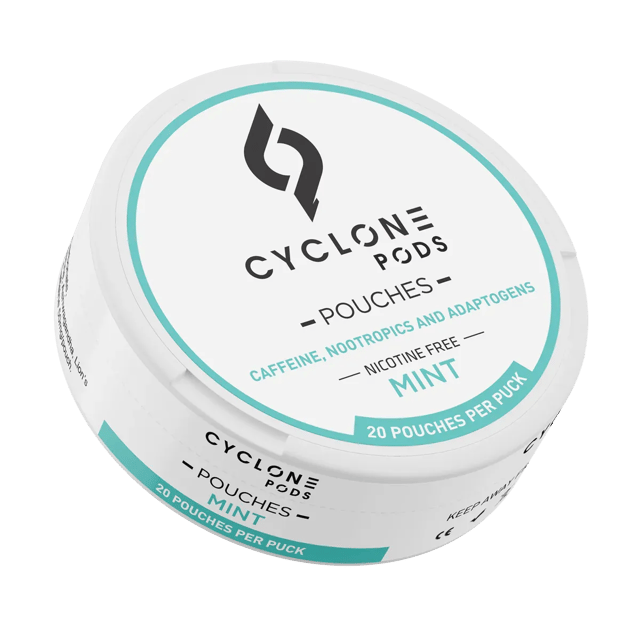
If you want the oral habit without the nicotine, nicotine-free pouches swap the nicotine for adaptogens, nootropics and caffeine.
What ZYN Gets Right
We'd be dishonest if we didn't acknowledge what ZYN does well.
No combustion. Eliminating smoke removes exposure to tar, carbon monoxide, and the 7,000+ chemicals in cigarette smoke. For an active smoker who cannot quit nicotine, switching to ZYN almost certainly reduces total harm. The FDA's June 2026 modified risk orders reflect this.
Discreet and convenient. No vapor, no smell, no secondhand exposure. You can use it anywhere without affecting people around you.
Measured dosing. Each pouch delivers a consistent 3 mg or 6 mg. Compared to cigarettes, where nicotine delivery varies by puff depth and frequency, ZYN offers more predictable dosing.
No lung involvement. For people worried specifically about respiratory health, ZYN removes that variable entirely.
But "less harmful than cigarettes" is a low bar. Cigarettes kill roughly half of long-term users. Being safer than the most dangerous consumer product in history doesn't make something safe.
ZYN vs. Nicotine-Free Focus Pouches
If you use ZYN for the oral fixation, the focus boost, or the ritual -- but want off the nicotine -- here's how ZYN compares with our Focus Pouches. Our roundup of nicotine-free ZYN alternatives covers other brands.
| Feature | ZYN | Cyclone Focus Pouches |
|---|---|---|
| Nicotine | 3 mg or 6 mg per pouch | 0 mg -- zero nicotine |
| Tobacco-derived | Yes (nicotine from tobacco plant) | No |
| Active ingredients | Nicotine, pH adjusters, fillers | Ashwagandha, Lion's Mane, Reishi, Cordyceps, Bacopa Monnieri, Guarana (50 mg caffeine) |
| Addiction risk | High -- nicotine is highly addictive | No nicotine; contains caffeine |
| Cardiovascular effects | Raises blood pressure, constricts arteries | 50 mg caffeine per pouch (label) |
| Oral health impact | Gum recession, leukoplakia, reduced blood flow | Contains no nicotine |
| Focus mechanism | Nicotine stimulates acetylcholine receptors | Lion's Mane supports NGF production; Bacopa Monnieri enhances memory consolidation; caffeine blocks adenosine |
| Flavors | Multiple (Mint, Wintergreen, Coffee, etc.) | 4: Cinnamon, Mint, Peach, Wintergreen |
| Price | ~$5/can (15 pouches) | $9.99/pack (20 pouches) |
| FDA status | 20 products authorized for sale via PMTA (Jan 16, 2025); modified risk orders (June 30, 2026) | Dietary supplement, not a tobacco product |
The Focus Pouches cost more per pouch, and they don't deliver nicotine's acute dopamine hit. If you're physically dependent on nicotine, switching cold turkey to a nicotine-free pouch will involve withdrawal. That's a real trade-off.
If you want the pouch ritual without nicotine, Focus Pouches use functional ingredients like Lion's Mane and Bacopa Monnieri instead.
A 2014 meta-analysis of nine randomized controlled trials in the Journal of Ethnopharmacology found that Bacopa Monnieri supplementation improved cognition, particularly speed of attention, across 518 subjects (PMID: 24252493). And a 2026 review in the International Journal of Molecular Sciences confirmed that Lion's Mane bioactives enhance neurotrophin levels -- particularly nerve growth factor (NGF) and brain-derived neurotrophic factor (BDNF) -- supporting neuronal survival and synaptic plasticity (PMID: 41683696).
How to Quit ZYN
If you're ready to quit ZYN, here's what works based on the evidence.
Gradual reduction. Step down from 6 mg to 3 mg pouches first. Then reduce the number of pouches per day by one every 3-5 days. Abrupt cessation works for some people, but tapering reduces the severity of withdrawal symptoms -- irritability, anxiety, difficulty concentrating, and increased appetite.
Oral replacement. Many ZYN users find the hardest part isn't the nicotine withdrawal itself -- it's losing the oral habit. Plan for it: sugar-free gum, a toothpick or a nicotine-free pouch keeps something in that spot. None of them treats nicotine withdrawal.
Timeline expectations. Physical nicotine withdrawal peaks at 3-5 days and largely resolves within 2-4 weeks. Psychological cravings can persist for months.
We wrote a guide on how to quit Zyn and other nicotine pouches if you want a detailed step-by-step plan.
Does ZYN Cause Cancer?
The short answer: we don't know yet with certainty, but the risk is significantly lower than cigarettes. ZYN contains no tobacco leaf, which eliminates exposure to most tobacco-specific nitrosamines (TSNAs) -- the primary carcinogens in smokeless tobacco.
However, nicotine itself may promote tumor growth in existing cancers by stimulating angiogenesis (new blood vessel formation that feeds tumors). A 2023 review in the International Journal of Molecular Sciences confirmed that nicotine induces neoangiogenesis, cell proliferation, and resistance to apoptosis through alpha-7 nicotinic acetylcholine receptors (PMID: 37834017). This doesn't mean nicotine causes cancer, but it may accelerate cancers that have already initiated.
We covered this topic in depth in our article on whether ZYN causes cancer, including the TSNA testing data and FDA review findings.
The Bottom Line
ZYN is not safe. It's safer than cigarettes -- a distinction that matters if you're an active smoker weighing alternatives, but shouldn't reassure anyone picking up nicotine for the first time.
The real risks are cardiovascular strain, gum damage, and lifelong nicotine addiction. These aren't hypothetical -- they're supported by systematic reviews. Even the FDA's June 2026 orders only let ZYN claim lower risk than cigarettes, and the agency says there is no safe tobacco product.
If you're using ZYN for focus, energy, or the oral ritual, those needs don't require nicotine. Our Focus Pouches use adaptogens and nootropics instead -- Ashwagandha, Lion's Mane, Reishi, Cordyceps, Bacopa Monnieri, and 50 mg of caffeine per pouch (label) -- with no nicotine.
Certified Laboratories (Burbank, CA; A2LA-accredited to ISO 17025) tested our Focus Pouches for pesticides, residual solvents, heavy metals and caffeine. Lot 202605 measured 39-48 mg caffeine per pouch against the 50 mg label. If you want to verify what's in our pouches -- and what isn't -- the Focus Pouches lab results are public.