
ZYN nicotine pouches are not currently classified as carcinogenic. Nicotine itself is not recognized as a carcinogen by the International Agency for Research on Cancer (IARC), and ZYN contains no tobacco leaf, which means it lacks the tobacco-specific nitrosamines (TSNAs) found in smokeless tobacco products like chewing tobacco and snus. However, nicotine pouches are relatively new to the U.S. market — launched by Swedish Match in 2014, acquired by Philip Morris International in 2022 — and long-term epidemiological data spanning decades does not yet exist.
That distinction matters. "Not confirmed to cause cancer" is not the same as "proven safe." Animal studies suggest nicotine may promote tumor growth through angiogenesis (new blood vessel formation that feeds tumors) even though it does not initiate the DNA mutations that start cancer. For the oral pouch experience without any nicotine, nicotine-free Focus Pouches exist — but understanding what the science actually says about ZYN and cancer risk requires looking at the research, not the headlines.
Does ZYN Cause Cancer?
The short answer: no credible study has established that ZYN causes cancer in humans. But the full picture is more complex than a yes-or-no answer.
Nicotine Is Not a Carcinogen — But It Is Not Inert
IARC classifies over 120 agents as Group 1 carcinogens (confirmed to cause cancer in humans). Nicotine is not on that list. Tobacco smoke is. Smokeless tobacco is. Nicotine by itself is not.
However, a 2014 review published in Nature Reviews Cancer (PMID: 24827506) analyzed decades of in vitro and animal data and concluded that nicotine, while not a classic initiator of carcinogenesis, may act as a tumor promoter. The mechanisms identified include:
- Angiogenesis promotion: Nicotine stimulates the formation of new blood vessels via nicotinic acetylcholine receptors (nAChRs) on endothelial cells. Tumors require blood supply to grow, and increased angiogenesis can accelerate tumor progression.
- Apoptosis inhibition: Nicotine may suppress programmed cell death in certain cell types, potentially allowing damaged cells to survive and proliferate rather than self-destruct.
- Cell proliferation signaling: Nicotine activates signaling pathways (including PI3K/Akt and NF-kB) associated with cell growth in laboratory settings.
The critical caveat: most of this evidence comes from cell cultures and animal models, not human epidemiological studies. The doses used in laboratory settings often exceed what a ZYN user would absorb through typical use. Translating petri-dish findings to human cancer risk is notoriously unreliable — but the biological plausibility is enough that researchers continue to study the question.
Is ZYN FDA Approved?
No. The FDA doesn't approve tobacco products; it authorizes them, and it says authorization doesn't mean a product is safe. The FDA has not issued a determination that nicotine pouches cause cancer. In October 2019, the FDA authorized eight General Snus products from Swedish Match as modified risk tobacco products (MRTPs), allowing the claim "Using General Snus instead of cigarettes puts you at a lower risk of mouth cancer, heart disease, lung cancer, stroke, emphysema, and chronic bronchitis." This was the first MRTP authorization for a smokeless tobacco product.
ZYN is not snus — it contains no tobacco leaf at all, which means it should have an even more favorable TSNA profile than snus. ZYN now has orders of its own. On January 16, 2025, the FDA authorized 20 ZYN products (10 flavors, each in 3 mg and 6 mg) through its Premarket Tobacco Product Application (PMTA) pathway, the first nicotine pouches it authorized. On June 30, 2026, the FDA granted modified risk orders for the same 20 products, allowing the parallel claim "Using ZYN instead of cigarettes puts you at a lower risk of mouth cancer, heart disease, lung cancer, stroke, emphysema, and chronic bronchitis." The orders run five years and cover only those 20 products, not nicotine pouches as a category. They compare ZYN with cigarettes; they don't say ZYN is safe.
ZYN vs. Tobacco-Containing Products
The cancer risk distinction between ZYN and traditional smokeless tobacco products comes down to one category of chemicals: tobacco-specific nitrosamines (TSNAs). TSNAs — including NNK (4-(methylnitrosamino)-1-(3-pyridyl)-1-butanone) and NNN (N'-nitrosonornicotine) — are Group 1 carcinogens formed during the curing and fermentation of tobacco leaf. They are present in chewing tobacco, dip, and snus.
ZYN does not contain tobacco leaf. Its nicotine is extracted from tobacco and purified into nicotine salt form, which removes or drastically reduces TSNA content. Independent laboratory analyses have found TSNA levels in nicotine pouches to be at or below detection limits — orders of magnitude lower than in smokeless tobacco products.
This is a meaningful difference. The majority of cancer risk from smokeless tobacco is attributed to TSNAs, not to nicotine itself. Removing the tobacco leaf removes the primary source of those carcinogens.
What Is in ZYN?
Understanding what ZYN actually contains helps contextualize the cancer question. ZYN pouches contain nicotine extracted from tobacco, but no tobacco leaf.
Each ZYN pouch contains:
- Nicotine salt (nicotine bitartrate dihydrate): 3 mg and 6 mg in classic ZYN; ZYN Ultra comes in 9 mg and 11 mg (zyn.com, checked October 2026).
- Microcrystalline cellulose: Plant-derived filler that forms the pouch body. Used extensively in pharmaceutical tablets.
- Hydroxypropyl cellulose: A binder and thickening agent. Also common in pharmaceutical and food products.
- Flavorings: Food-grade flavoring agents. ZYN is available in flavors including Cool Mint, Spearmint, Wintergreen, Cinnamon, Coffee, Citrus, and Peppermint.
- pH adjusters (sodium carbonate and sodium bicarbonate): Set the pouch's pH, which affects how much nicotine it releases.
- Sweeteners: Acesulfame potassium (Ace-K) for taste.
None of these non-nicotine ingredients are classified as carcinogens. The pH adjusters are the same compounds found in baking soda and antacid tablets. The cellulose-based fillers are standard in thousands of over-the-counter medications.
Nicotine Pouches vs. Chewing Tobacco vs. Cigarettes
The relative cancer risk of different nicotine and tobacco products is not a matter of opinion — it follows a well-documented hierarchy based on the types and quantities of carcinogens each product delivers. The table below lays out what the evidence currently supports.
| Factor | Cigarettes | Chewing Tobacco / Dip | Snus (Swedish) | Nicotine Pouches (ZYN) |
|---|---|---|---|---|
| Contains tobacco leaf | Yes | Yes | Yes | No |
| Combustion | Yes | No | No | No |
| TSNAs present | High levels | Moderate to high | Low (pasteurized) | At or below detection limits |
| Polycyclic aromatic hydrocarbons (PAHs) | High (from combustion) | Low | Very low | Not detected |
| Carbon monoxide exposure | Yes | No | No | No |
| Formaldehyde / acetaldehyde | Yes (combustion byproducts) | Trace | Trace | Not detected |
| IARC cancer classification | Group 1 (confirmed carcinogen) | Group 1 (confirmed carcinogen) | Group 1 (as smokeless tobacco) | Not classified |
| Oral cancer risk (epidemiological) | Significantly elevated | Elevated (2-3x baseline) | No significant elevation in Swedish data | No data (product too new) |
| Lung cancer risk | 15-30x baseline | Not significantly elevated | Not significantly elevated | Not applicable (non-inhalation) |
| Nicotine content | ~1-2 mg absorbed per cigarette | ~3-5 mg per dip | ~2-4 mg per portion | 3 mg or 6 mg per pouch |
The data makes the harm-reduction hierarchy reasonably clear: combustible cigarettes are the most dangerous nicotine delivery system by a wide margin. Traditional smokeless tobacco products carry real cancer risk, primarily from TSNAs. Swedish snus, which is pasteurized rather than fermented, has lower TSNA levels and 50+ years of Swedish epidemiological data showing no significant increase in oral cancer rates. Nicotine pouches like ZYN remove tobacco leaf entirely, eliminating the primary source of TSNAs — but they lack the decades of population data that support snus safety claims.
If you are currently smoking cigarettes and considering a switch: the scientific consensus is that any non-combusted nicotine product represents a significant reduction in cancer risk. The Royal College of Physicians, Public Health England, and multiple systematic reviews have concluded that the cancer risk from smokeless nicotine products is a small fraction — estimated at less than 5% — of the risk from smoking.
Can ZYN Cause Gum Disease or Oral Problems?
Separate from the cancer question, many ZYN users report oral side effects. These are worth addressing because gum damage and oral lesions sometimes get conflated with cancer risk — they are related but distinct concerns.
Commonly reported oral effects from nicotine pouch use include:
- Gum irritation: Localized redness, swelling, or soreness where the pouch sits. This is the most frequently reported side effect and typically occurs in the first few weeks of use.
- Gum recession: Extended use in the same spot can cause the gum tissue to recede, exposing more of the tooth root. This is a mechanical and chemical irritation effect, not a cancer-related process.
- White lesions (leukoplakia): Some users develop white patches on the gum tissue at the placement site. Most leukoplakia is benign, but a small percentage (estimated 3-5% in clinical literature) can progress to dysplasia or malignancy over time. If you notice persistent white patches, see a dentist.
- Dry mouth: Nicotine reduces saliva production. Chronic dry mouth increases risk of tooth decay and gum disease.
None of these effects are unique to ZYN — they occur with all nicotine pouches and, to a greater degree, with traditional smokeless tobacco. The key variable is nicotine's vasoconstrictive effect: it narrows blood vessels in the gum tissue, reducing blood flow and slowing healing. Over years, this can contribute to periodontal problems.
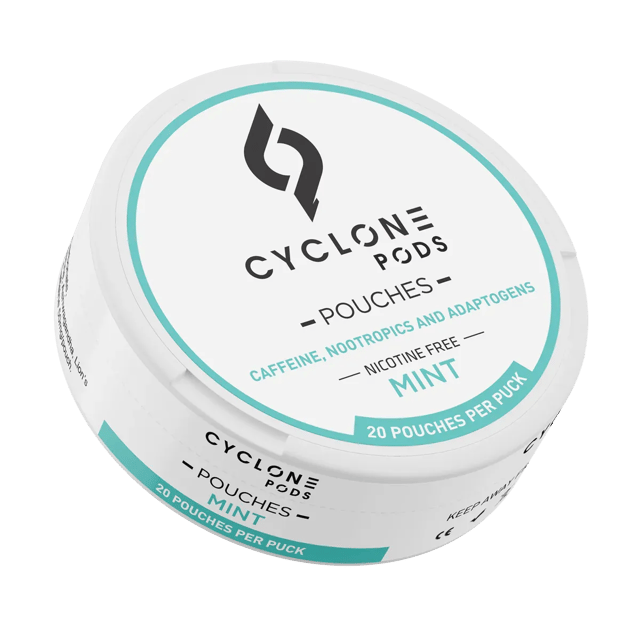
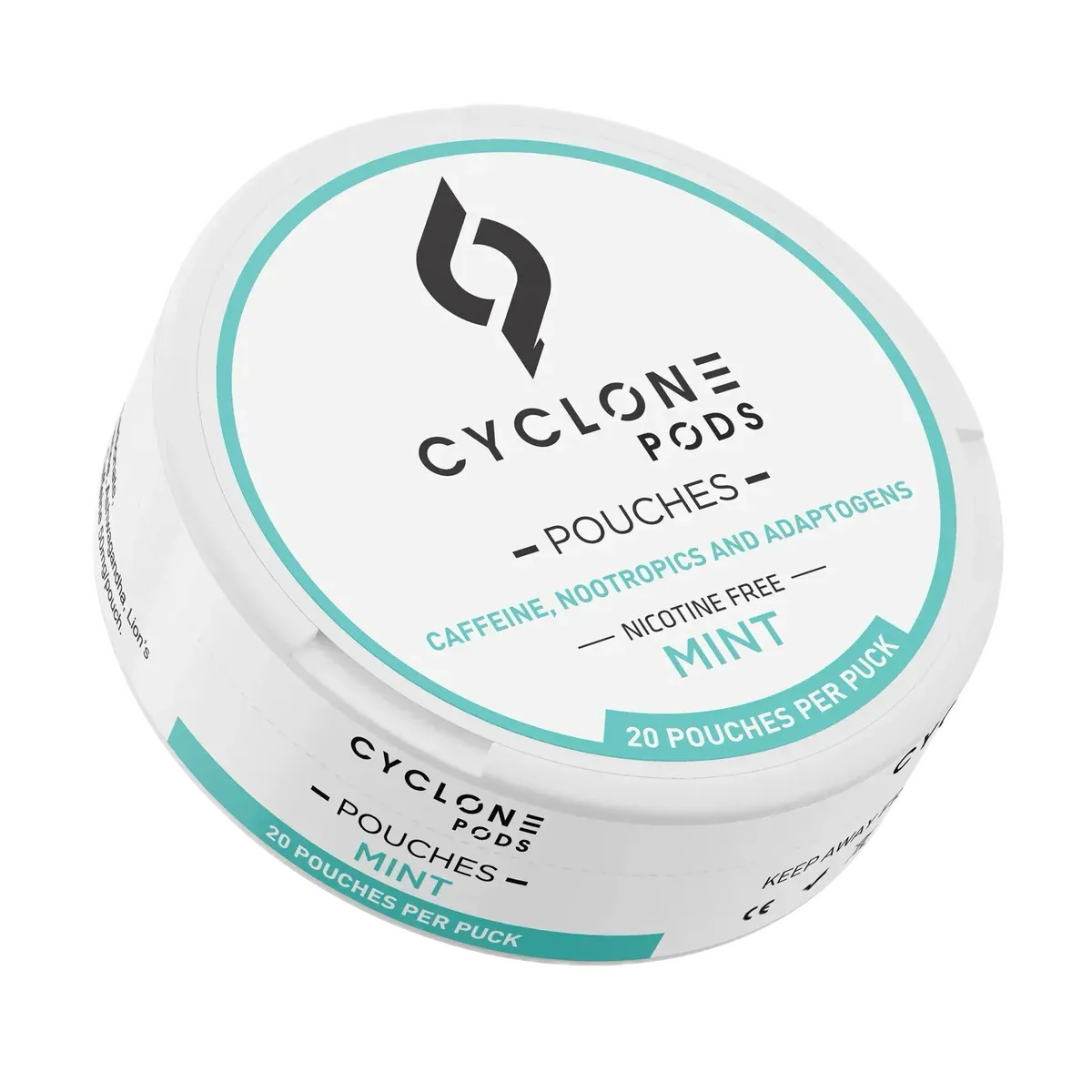
Nicotine-free pouches avoid these nicotine-specific oral effects entirely. Products like Cyclone Pods Focus Pouches contain functional ingredients (adaptogens, nootropics, 50 mg caffeine per pouch from Guarana, label) and no nicotine.
Long-Term Effects of ZYN: What We Know and Do Not Know
The honest assessment of ZYN's long-term effects is that we do not have enough human data to draw firm conclusions. Here is what we can say as of 2026:
What the evidence supports:
- ZYN is almost certainly less harmful than cigarettes. The absence of combustion alone eliminates the majority of known carcinogen exposure.
- ZYN is likely less harmful than chewing tobacco and dip, because it contains no tobacco leaf and therefore no meaningful TSNA levels.
- ZYN's risk profile may be comparable to or better than Swedish snus, which has 50+ years of population data showing minimal cancer risk elevation. ZYN removes the one remaining variable (tobacco leaf) that snus still contains.
- Nicotine is addictive regardless of delivery method. ZYN at 6 mg delivers a pharmacologically significant dose that creates and sustains nicotine dependence.
What the evidence does not yet support:
- Claims that ZYN is "safe." No nicotine product can be called safe in absolute terms. The appropriate framing is "reduced risk" relative to smoking or smokeless tobacco.
- Claims that ZYN causes cancer. No human study has linked nicotine pouch use to any cancer diagnosis.
- Long-term cardiovascular effects. Nicotine raises heart rate and blood pressure acutely. Whether decades of nicotine pouch use increases cardiovascular disease risk independently of tobacco smoke is unknown.
- Effects on adolescent brain development. ZYN is marketed to adults, but nicotine exposure during adolescence is associated with lasting changes in prefrontal cortex development. This is a public health concern given the product's appeal to younger demographics.
The products simply have not been on the market long enough for 20- or 30-year follow-up studies. Anyone telling you ZYN is definitively safe OR definitively dangerous is overstating the evidence in both directions.
Nicotine-Free Pouch Alternatives
For people who want the pouch experience — the ritual, the oral fixation, the discreet format — without any nicotine at all, the market now includes nicotine-free options, and our guide to nicotine-free ZYN alternatives compares them. This is relevant to the cancer discussion because removing nicotine eliminates the one ingredient in ZYN that has any biological connection to tumor promotion. If you prefer vaping over pouches, nicotine-free vapes offer another zero-nicotine path.
We make Focus Pouches. Here is what they are and what they are not.
What Focus Pouches are:
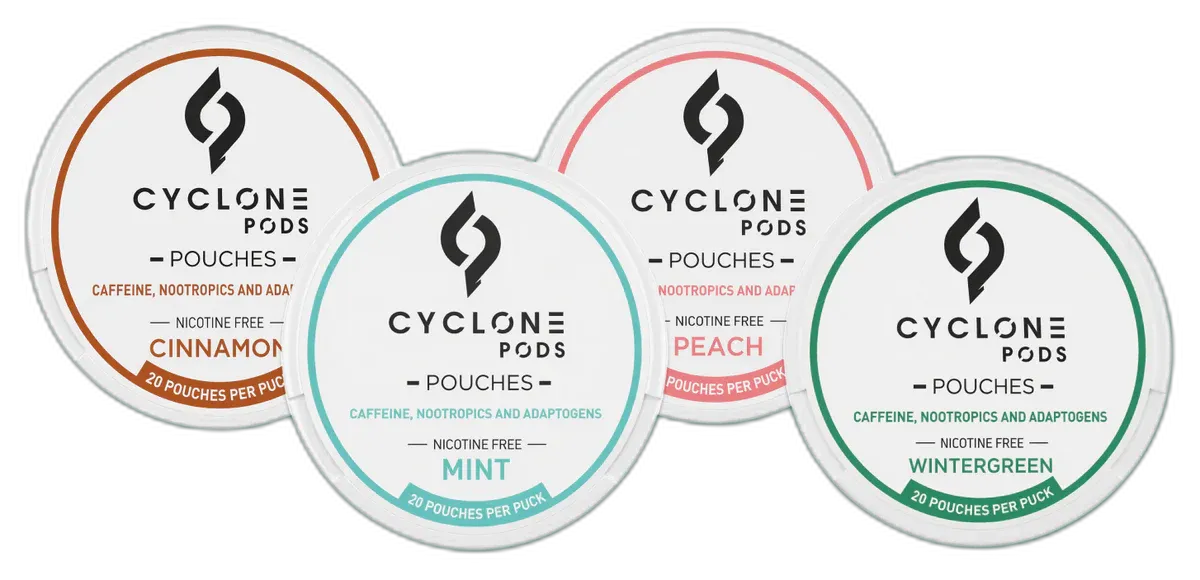
- A nicotine-free, tobacco-free pouch containing six active ingredients: Ashwagandha, Lion's Mane, Reishi, Cordyceps, Bacopa Monnieri, and 50 mg of caffeine from Guarana
- Focus Pouches are tested by Certified Laboratories (Burbank, CA; A2LA-accredited to ISO 17025) — Focus Pouches lab results
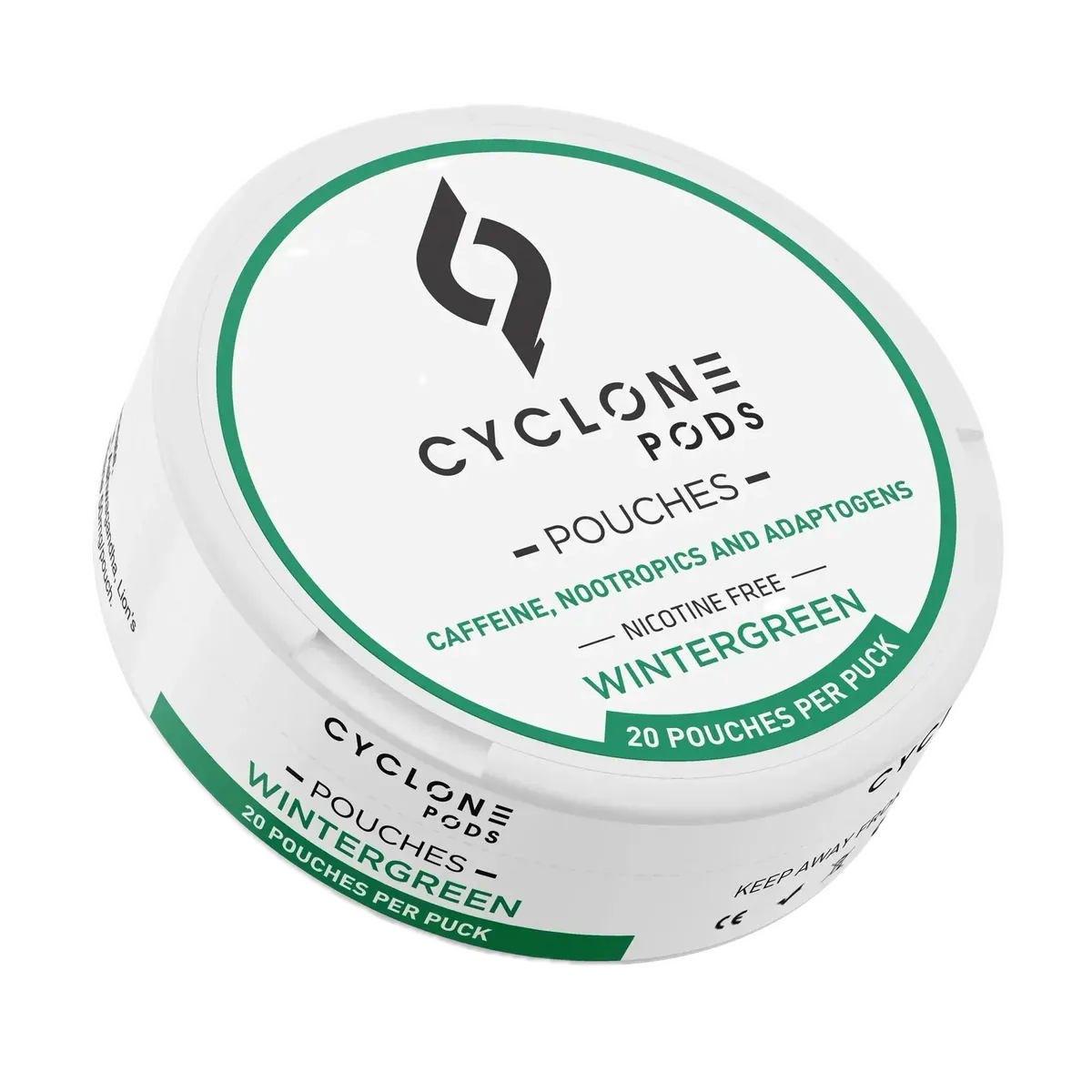
- $9.99 per pack of 20 pouches, available in four flavors: Cinnamon, Mint, Peach, and Wintergreen
- A functional product designed for focus and alertness, not a smoking cessation device. See the four Focus Pouches flavors
What Focus Pouches are not:
- A nicotine replacement. If you are physically dependent on nicotine, Focus Pouches will not satisfy that craving. They contain zero nicotine. Period. For nicotine replacement, talk to your doctor about FDA-approved NRT (patches, gums, lozenges).
- A cancer treatment or prevention product. We make no health claims beyond what the ingredient research supports.
- A ZYN copy with nicotine removed. The formula was designed from scratch around cognitive performance ingredients, not reverse-engineered from a nicotine product.
The nootropic pouch category is growing. If you are researching alternatives, our comparison of the best nootropic pouches covers the full market — including brands that outperform us in specific categories. For the caffeine-focused angle, see our caffeine pouch comparison.
One more thing: if you are switching away from ZYN specifically because of health concerns, the safety profile of caffeine pouches is worth reading. Caffeine has over a century of human consumption data and well-established safety parameters.
How Many ZYN Pouches a Day Is Safe?
There is no FDA-established daily limit for nicotine pouches. Swedish Match, the company behind ZYN, does not publish an official maximum either. Most adult users report using between 8 and 12 pouches per day, with each pouch delivering 3 mg or 6 mg of nicotine over 30-60 minutes.
For context: a pack-a-day smoker absorbs roughly 20-40 mg of nicotine daily. Twelve ZYN pouches at 6 mg each deliver 72 mg of nicotine, though not all of a pouch's nicotine is absorbed, so actual uptake is lower. The variable that matters most is individual tolerance, which depends on body weight, metabolism (CYP2A6 enzyme activity), and duration of prior nicotine use.
If you experience nausea, hiccups, dizziness, or elevated heart rate, you are consuming more nicotine than your body can comfortably process. These are dose-dependent effects, and the fix is straightforward: use fewer pouches, switch to 3 mg, or space them further apart. If your goal is reducing nicotine intake entirely, our guide on quitting nicotine pouches covers practical tapering strategies.
What Happens If You Swallow a ZYN Pouch?
Accidentally swallowing a ZYN pouch is unlikely to cause serious harm in adults. The pouch materials (microcrystalline cellulose, hydroxypropyl cellulose) are the same inert fillers used in over-the-counter medications and will pass through your digestive system. The nicotine will be partially absorbed through your stomach lining, which may cause nausea, stomach discomfort, or hiccups — especially at the 6 mg strength.
For children, the situation is different. A single 6 mg ZYN pouch contains enough nicotine to cause vomiting, rapid heartbeat, and other symptoms of nicotine poisoning in a small child. If a child swallows a nicotine pouch, call Poison Control (1-800-222-1222) or 911 immediately. Keep all nicotine products stored out of children's reach.
The Bottom Line
ZYN has not been shown to cause cancer. Nicotine is not classified as a carcinogen by any major health authority. ZYN contains no tobacco leaf and therefore avoids the TSNAs that drive cancer risk in smokeless tobacco. Animal and cell-culture research suggests nicotine may promote tumor growth under certain conditions, but these findings have not translated to human cancer diagnoses in nicotine pouch users.
The most honest framing: ZYN sits at the lowest-risk end of the nicotine product spectrum, below cigarettes, below chewing tobacco, and likely at or below Swedish snus. But "lowest risk among nicotine products" is not the same as "risk-free." The product has been widely available for roughly a decade — not long enough for the kind of long-term epidemiological data that definitively answers the cancer question.
If your goal is to avoid nicotine entirely while keeping the pouch format, nicotine-free pouches remove that variable from the equation. If your goal is harm reduction from smoking, the evidence strongly supports switching to non-combusted products — and ZYN is among the options that eliminate the most carcinogenic exposure. For more on how ZYN compares to vaping as a nicotine delivery system, see our ZYN vs. vape comparison.
Whatever you decide, make the decision based on published research, not fear-based headlines or marketing claims from any brand — including ours.