To quit Zyn, pick a quit date and either stop outright or taper your strength and count down to zero, ideally with nicotine replacement (patch, gum or lozenge) to take the edge off cravings. Expect the first week to be the hardest: in studies of people quitting tobacco, withdrawal symptoms peak within that week and fade over two to four weeks.
Below is a day-by-day withdrawal timeline, 11 tips that work for Zyn and every other nicotine pouch, and straight answers on cold turkey, the 3-3-3 rule and what actually kills a craving. If you're still deciding whether to quit, start with is Zyn bad for you.
Why Should You Quit Nicotine Pouches?
Pouches skip the smoke, but the nicotine still does what nicotine does. The main concerns:
- Nicotine dependence, which is the reason quitting is hard in the first place
- Mouth sores, sore throat, nausea and stomach upset reported by oral nicotine pouch users
- Raised heart rate and blood pressure (linked to nicotine)
- Harm to brain development in teens and young adults (linked to nicotine)
- Risks during pregnancy and to fetal development (linked to nicotine)
- Questions about additives and flavorings, covered in does Zyn cause cancer
Zyn Withdrawal Timeline: Day by Day
No study has tracked withdrawal in Zyn users specifically, so this timeline comes from tobacco research. A 2007 review by John Hughes (Nicotine & Tobacco Research, PMID 17365764) found that anger, anxiety, depression, difficulty concentrating, impatience, insomnia and restlessness "peak within the first week and last 2-4 weeks." Your timing will vary with how many pouches and what strength you used.
| When | What you may feel | What helps |
|---|---|---|
| Days 1–3 | Cravings start within hours of your last pouch. Irritability, restlessness and trouble focusing build. | Start nicotine replacement on day one if you're using it. Clear pouches out of your car, desk and bag. |
| Days 4–7 | The peak. Anger, anxiety, low mood and poor sleep are most common here, along with an empty feeling under your lip. | Exercise, a fixed bedtime, and telling the people around you what week it is. |
| Week 2 | Symptoms ease for most people. Cravings come less often but hit hard at old pouch times (after meals, driving, work breaks). | Change those routines. Use the delay tactic in tip 6 below. |
| Weeks 3–4 | Most withdrawal symptoms fade by the end of week four. Appetite may stay higher than usual. | Keep snacks crunchy and low-calorie. Step down your nicotine replacement dose as directed. |
| Month 2 and after | Occasional cravings, usually triggered by stress, alcohol or a place you used to use pouches. | Have a plan for each trigger. A slip is not a relapse; go back to what worked. |
The upside shows up over the same weeks: steadier sleep and focus once the withdrawal peak passes, no more lip soreness from the pouch itself, and the money you were spending on cans.
How to Quit Zyn: 11 Tips
These work for Zyn, Velo, On! and any other nicotine pouch. Most of them come straight from smoking-cessation advice.
1. Choose a Clear Start Date
Pick a specific day, ideally within the next two weeks and not in the middle of a stressful deadline. A date turns "I should quit" into a plan you can prepare for.
2. Plan for the Lip Habit, Not Just the Nicotine
Part of a Zyn habit is the pouch itself: something under your lip at the same times every day. Some people keep that ritual with sugar-free gum, toothpicks or a nicotine-free pouch. Nicotine-free pouches contain no nicotine, so they don't treat withdrawal, and we don't sell ours as a quit aid. They only replace the habit of having a pouch in.
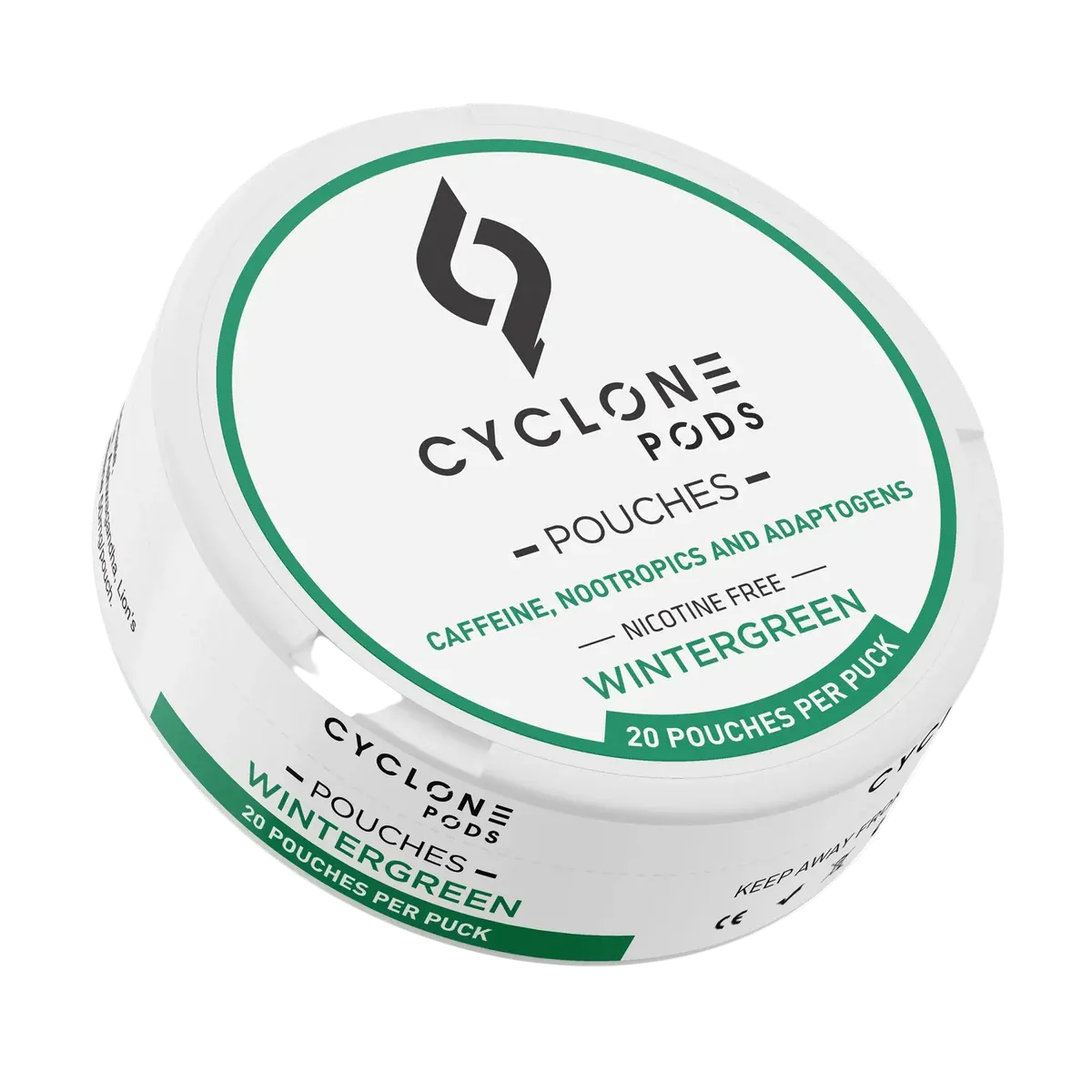
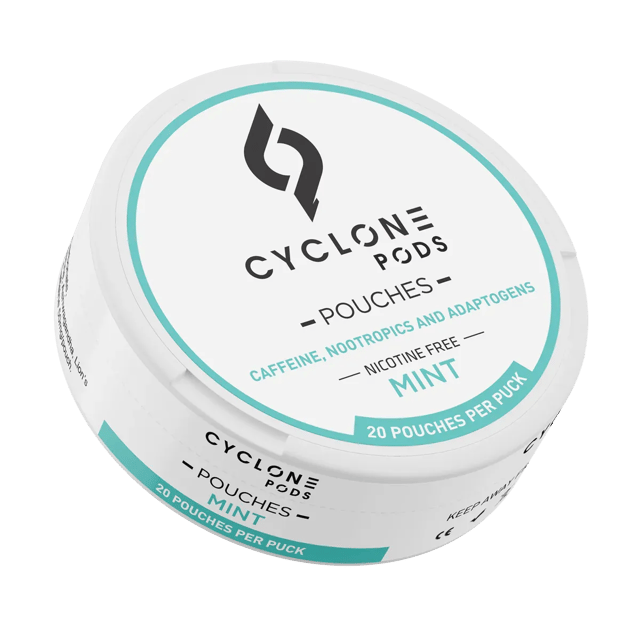
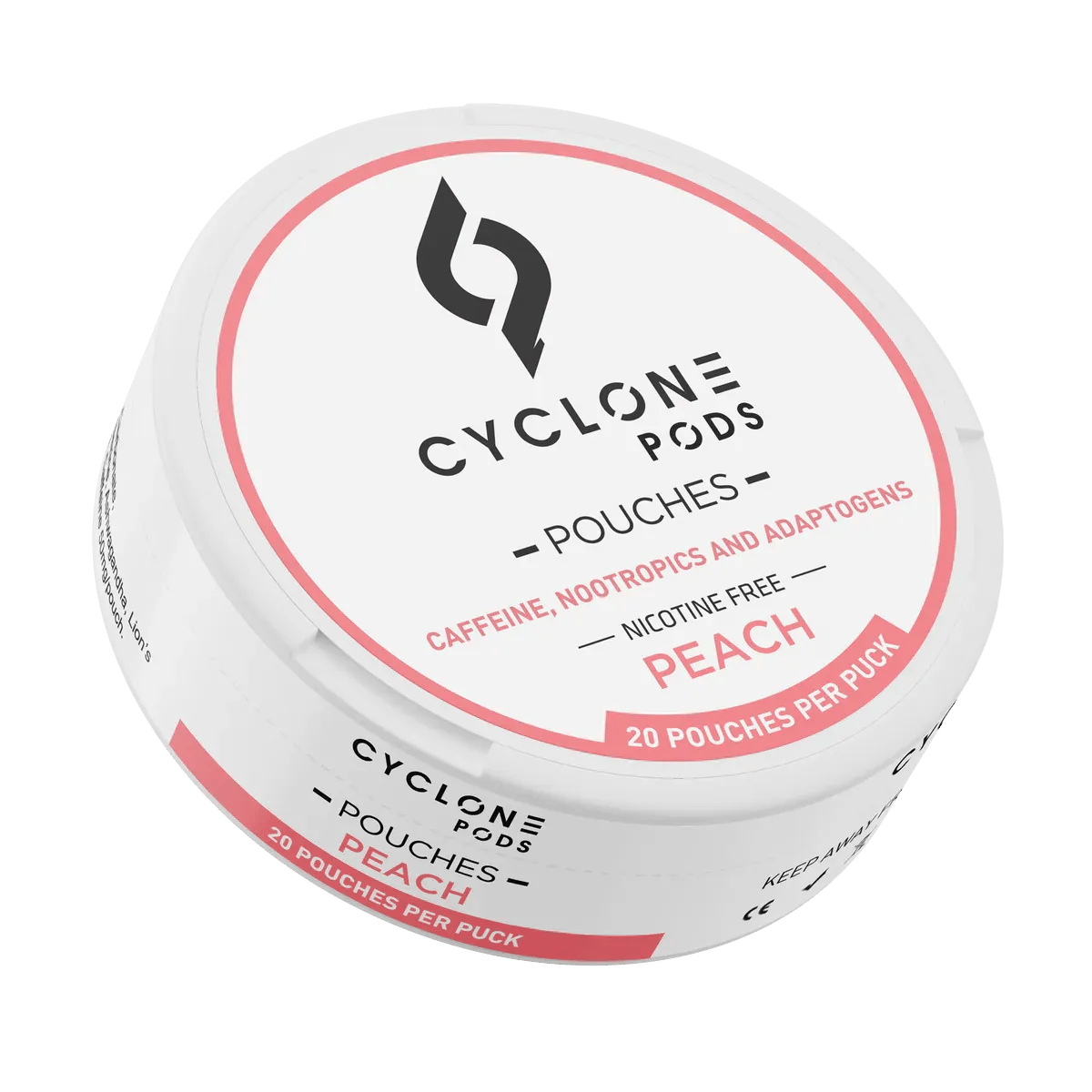
If that's you, our nicotine-free Focus Pouches are a dietary supplement with 50 mg caffeine per pouch (label), in Cinnamon, Mint, Peach and Wintergreen. Our roundup of nicotine-free ZYN alternatives compares eight brands, including caffeine-free ones.
3. Identify Your Triggers
Write down when you reach for a pouch for a few days before your quit date. Stress, boredom, coffee, driving and the post-lunch slump are the usual ones. For each, decide in advance what you'll do instead: a walk, a glass of water, a call to a friend.
4. Break the Routine
If the first pouch comes with the morning drive, change the drive: different route, podcast, gum in the cupholder. Small changes to the time and place cut the automatic link between the cue and the pouch.
5. Cut Down Gradually (If Cold Turkey Isn't Realistic)
Tapering means stepping down strength (for Zyn, 6 mg to 3 mg to 1.5 mg) and cutting the daily count, then setting a firm last day. It works for some people, but abrupt quitting did better in a head-to-head trial (see the cold turkey section below), so treat tapering as a bridge to a quit date, not a substitute for one.
6. Stretch the Time Between Pouches
When an urge hits, wait 10 minutes before doing anything. Next time, 15. Then 30. Each delay is practice at riding out a craving, which is the skill that matters once the cans are gone.
7. Use Nicotine Replacement Therapy
The FDA has approved nicotine patches, nicotine gum and lozenges for over-the-counter sale to adults 18 and older, plus a prescription nasal spray and inhaler. Two prescription medicines without nicotine, varenicline and bupropion, are also FDA-approved for quitting. Ask a doctor or pharmacist which fits; the nicotine patch side effects guide covers what to expect from the most common one.
8. Get Moving
A short walk or a few minutes of exercise can take the edge off a craving and lift your mood. It also gives your hands and head something to do at the times you used to reach for a can.
9. Track Your Progress
Count the days and the money. A can of Zyn a day adds up fast, and seeing the number grow on a calendar or app is a reason not to reset it.
10. Eat and Drink on Purpose
Drink water, eat regular meals, and keep crunchy snacks (carrots, apple slices, sunflower seeds) for the moments your mouth wants something. Appetite often rises after quitting nicotine, so plan for it rather than fighting it.
11. Tell People and Get Support
Tell the people you see daily that you're quitting and when. For free coaching, call 1-800-QUIT-NOW or visit smokefree.gov.
Is It Safe to Quit Zyn Cold Turkey?
For most adults, yes. Nicotine withdrawal is unpleasant, not dangerous. It may even work better: in a 2016 trial of smokers (Lindson-Hawley, Annals of Internal Medicine, PMID 26975007), 49.0% of abrupt quitters were abstinent at four weeks versus 39.2% of gradual quitters. If you're pregnant or have a heart or mental-health condition, check with a doctor first.
What Is the 3-3-3 Rule for Quitting Nicotine?
It's informal quitter advice, not a clinical protocol, and people use it in different ways. The version we find most useful: expect hard points at 3 days (the physical peak), 3 weeks (when routines bite) and 3 months (complacency). Some people instead use it to mean a craving lasts about 3 minutes, so distract yourself for that long.
What Kills Nicotine Cravings?
Medication has the strongest evidence: nicotine replacement (a patch for a steady baseline plus gum or a lozenge when a craving spikes) or a prescription medicine like varenicline. Without medication, delay and distract: wait 10 minutes, walk, drink water, or chew gum. Cravings fade the longer you stay quit.
Ditch the Nicotine, Keep the Routine
Quitting Zyn means getting through about a month of withdrawal and then managing the habit around it. If the habit you miss is a pouch in your lip during the workday, you don't have to give that up with the nicotine.
Our nicotine-free Focus Pouches come in four flavors with 50 mg caffeine per pouch (label) and no nicotine or tobacco. If caffeine isn't what you want, the nicotine-free pouch comparison lists caffeine-free options too.