Cigarettes make you poop mainly because of nicotine. Nicotine activates receptors along your intestine and triggers the release of acetylcholine, a chemical messenger that tells your gut muscles to contract and push waste along faster. Pair that with the coffee most smokers drink alongside the first cigarette and you get a quick, reliable urge to go. Honestly, though, the link is less direct than the internet makes it sound — here's the real picture.
- Nicotine activates gut receptors and releases acetylcholine, speeding peristalsis — the contractions that move stool (GoodRx, 2024).
- It's rarely nicotine alone: morning coffee, the gastrocolic reflex, and routine stack on top of it.
- A 2022 NIH study (PMC8803378) found smoking stimulates bowel emptying, helps prevent constipation, and alters the gut microbiome.
- Quitting often causes short-term constipation — and a nicotine-free vape won't reproduce the laxative effect, because that was the drug.
The Nicotine Mechanism
Nicotine is a stimulant, and its reach doesn't stop at the brain. As GoodRx explains, nicotine activates receptors along the intestine that tell the gut to move faster. It does this partly by prompting the release of acetylcholine, the neurotransmitter that drives the parasympathetic "rest and digest" system — the same system that runs bowel motility. More acetylcholine means stronger, faster contractions in the colon, which is why the urge can hit within minutes of lighting up. On r/explainlikeimfive, the top answer says the same thing in plainer words: nicotine "irritates the bowels and stimulates peristalsis."
But It's Not Only the Nicotine
Here's the part most articles skip. Healthline's review of the evidence lands on a careful conclusion: smoking probably doesn't make you poop directly, or at least not by nicotine alone. The morning bathroom trip is usually several things firing at once. The gastrocolic reflex — eating or drinking, especially something warm — naturally wakes up the colon. Coffee is an independent gut stimulant. And years of a fixed "coffee and a cigarette" routine trains the body to expect a movement at that exact time. Nicotine is the loudest input, not the only one.
Smoking's longer-term gut effects are real too, and not all in the same direction. A 2022 NIH analysis (PMC8803378) found that smoking stimulates the bowel to empty and is associated with less constipation, while also altering the gut microbiome — one reason the picture is messier than "cigarette equals laxative."
Why the Morning Cigarette Hits Hardest
Stack the inputs and the morning is the perfect storm: an empty stomach, a hot coffee triggering the gastrocolic reflex, caffeine speeding motility, nicotine releasing acetylcholine, and a decade of conditioning all landing in the same ten minutes. That's why "coffee and a smoke" is so tied to a predictable bowel movement — and why people notice the effect fades if they change the routine.
What Happens When You Quit
Quitting can briefly do the opposite: constipation. Remove nicotine and the gut loses a stimulant it adapted to, so motility can slow for days or weeks. It's a recognized withdrawal symptom and usually temporary. Fiber, water, movement, and — yes — coffee help bridge the gap while your gut recalibrates. The same slowdown can follow quitting a nicotine vape; our guide on how to quit vaping covers the rest of the first month.
| Factor | Effect on the Gut |
|---|---|
| Nicotine | Activates intestinal receptors + acetylcholine → faster peristalsis |
| Caffeine (coffee) | Independently speeds colonic motility |
| Gastrocolic reflex | Eating/drinking triggers colon activity |
| Routine/conditioning | The body learns to expect a movement at a set time |
| Quitting nicotine | Temporary constipation as the gut readjusts |
Does a Nicotine-Free Vape Do the Same Thing?
No — and it's worth being honest about. The bathroom effect came from nicotine, not from inhaling or the hand-to-mouth ritual. A nicotine-free vape reproduces the routine — the breath, the flavor, the break — without the drug, so it won't reproduce the laxative push. If you leaned on that morning cigarette partly to stay regular, the answer isn't more nicotine; it's coffee, fiber, and time.
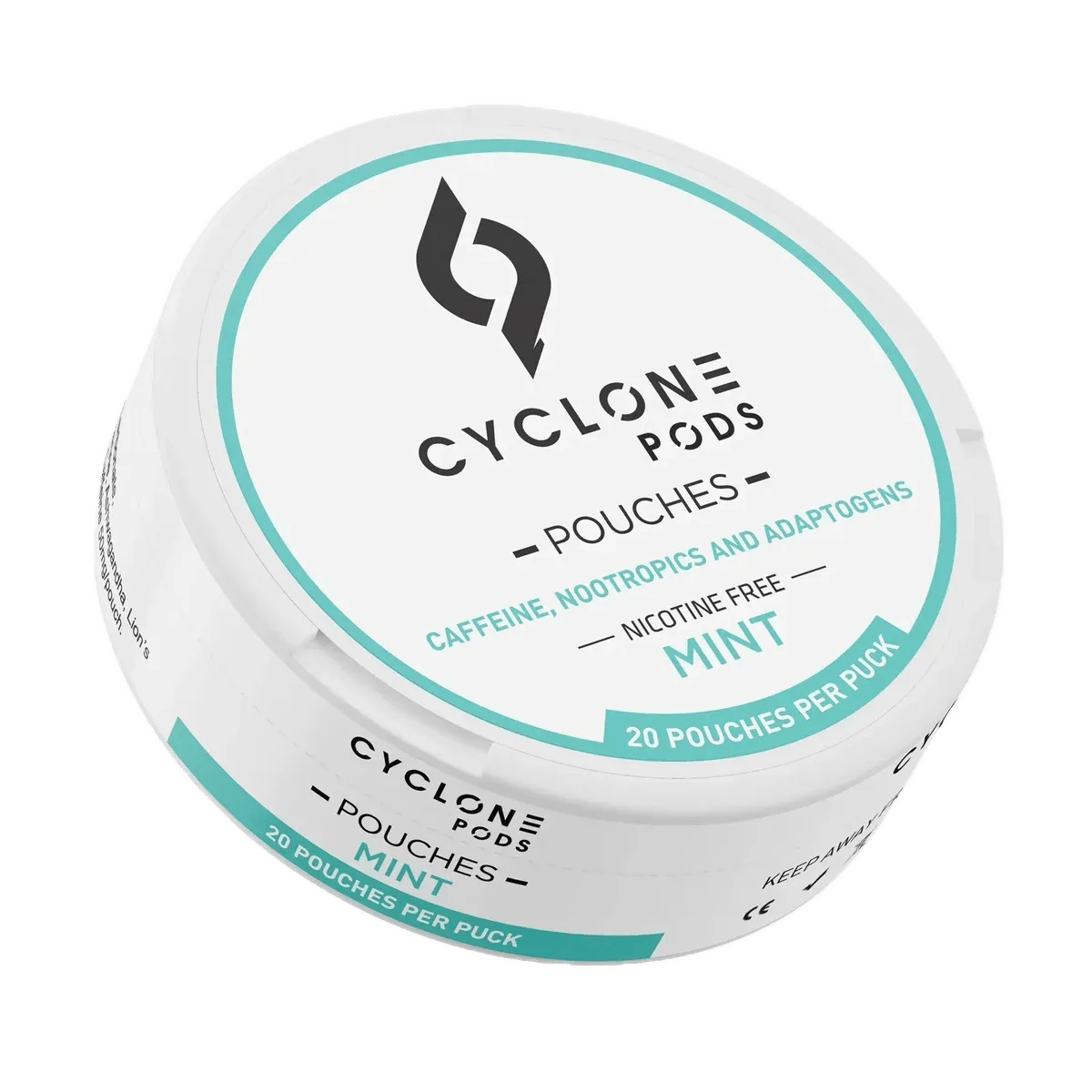
If it's a stimulant you want in a form with real absorption, caffeine works orally — our Focus Pouches deliver 50 mg of caffeine plus adaptogens, no inhaling required. And if you're leaving cigarettes behind, our safest vape guide covers the nicotine-free options.
The Bottom Line
Cigarettes make you poop because nicotine speeds gut motility — but the morning ritual is really nicotine, coffee, the gastrocolic reflex, and conditioning firing together, and the direct causal link is thinner than the confident headlines suggest. Quitting reverses it briefly. None of it requires staying on nicotine; the effect was pharmacological, and it fades.
Related reading: nicotine-free vapes · caffeine pouches · the safest vape