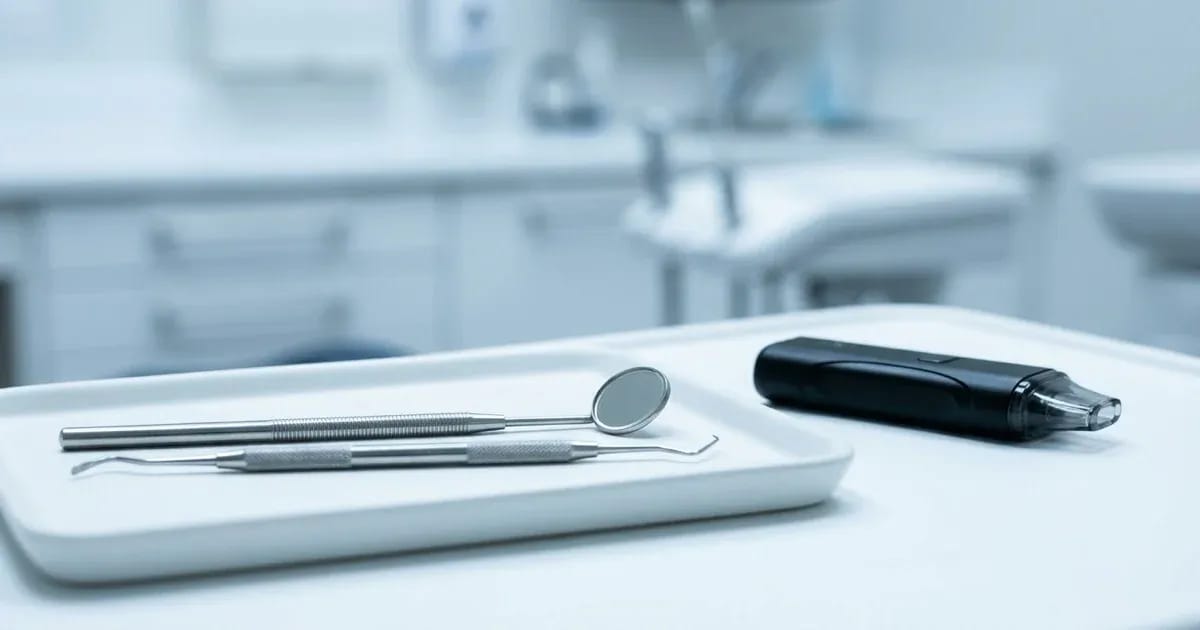
Yes, dentists can often tell if you vape. The signs they spot — dry mouth, gum inflammation, unusual decay patterns — depend almost entirely on what you're vaping, specifically whether it contains nicotine.
If you use nicotine vapes, your dentist will likely notice the same vascular damage and tissue changes they see in smokers, just dialed down a few notches. If you vape nicotine-free, most of those telltale markers disappear. The difference matters more than most people realize, and we'll break down exactly why below.
Can Your Dentist Tell If You Vape?
Short answer: probably, but it depends on context.
A 2021 review in General Dentistry laid out what dental professionals should watch for when screening e-cigarette users (PMID: 33908875). The clinical signs overlap heavily with smoking, but they're usually less severe. Dentists look for a cluster of symptoms — no single marker screams "vaper" the way tar staining screams "smoker."
Here's what's actually happening during your exam:
- Visual inspection — Your dentist checks gum color, tissue texture, and moisture levels. Nicotine restricts blood flow to the gums. Healthy gums look pink and stippled. Vasoconstricted gums look pale, sometimes with a slightly waxy texture.
- Probing depths — A periodontal probe measures the pocket depth between your teeth and gums. E-cigarette users show deeper pockets than non-users in multiple studies (PMID: 33274850).
- Decay patterns — Unusual cavities in patients who otherwise have decent hygiene raise a red flag. The dry mouth from vaping reduces saliva's protective buffering, letting bacteria thrive in spots that normally stay clean.
- Patient history — Let's be honest. Most dentists just ask. And if you say no, the clinical signs above may or may not give you away — especially if you're vaping without nicotine.
The key takeaway: nicotine vapes leave a clinical trail. Nicotine-free vapes leave a much fainter one.
What Signs Does Vaping Leave in Your Mouth?
Vaping affects your oral environment through several mechanisms. Not all of them require nicotine, but the worst ones do.
Dry Mouth (Xerostomia)
This is the most common oral side effect of vaping, period. A 2023 systematic review and meta-analysis covering 6,827 cases found that 33% of e-cigarette users reported dry mouth — actually higher than the 24% rate among combustible tobacco users (PMID: 36777290).
Why so high? Propylene glycol (PG), one of two base liquids in nearly every vape juice, is hygroscopic. It absorbs water from surrounding tissue. Every inhale pulls moisture from your mouth and throat lining. This isn't a nicotine effect — it happens with any PG-containing vape, nicotine or not. We cover PG's safety profile in depth in our breakdown of whether propylene glycol is safe to vape.
Dry mouth matters because saliva does the heavy lifting in oral defense. It neutralizes acid, washes away food particles, and delivers calcium and phosphate to remineralize enamel. Less saliva means more acid exposure, more bacterial colonization, and faster decay.
Gum Inflammation and Recession
Nicotine is a vasoconstrictor. It narrows blood vessels by upregulating endothelin-1 (a vessel-constricting protein) and suppressing nitric oxide production (a vessel-relaxing signal). A 2021 review in Acta Physiologica documented this mechanism across vascular tissues, including the gums (PMID: 33595878).
When blood flow drops, your gums get less oxygen, fewer immune cells, and slower healing. Over time, this leads to:
- Gum recession — tissue pulls away from the tooth, exposing the root
- Masked gingivitis — reduced blood flow means less visible bleeding, so gum disease can progress silently
- Slower post-procedure healing — extractions and cleanings take longer to recover from
This is where the distinction between nicotine and nicotine-free vaping gets clinically significant. Remove the nicotine and you remove the vasoconstriction. Your gums maintain normal blood flow, normal immune response, and normal healing speed. For a broader look at how vaping affects tissue beyond just your mouth, see our article on vaping effects on your face.
Bacterial Shifts and Biofilm Changes
E-cigarette aerosol changes the bacterial landscape in your mouth. A 2022 study in Microbiology Spectrum found that e-cigarette aerosol exposure specifically boosted the growth and colonization of Streptococcus mutans — the primary bacterium behind tooth decay — while suppressing beneficial commensal streptococci (PMID: 35377225).
Vegetable glycerin (VG), the other base liquid in vape juice, plays a role here. VG creates a sticky film on enamel that bacteria can cling to. Research has shown a four-fold increase in microbial adhesion to enamel and a two-fold increase in biofilm formation when VG is present. Combine that with reduced saliva from PG, and you've created a favorable environment for the bacteria you don't want.
This effect applies to all vapes, not just nicotine ones. But nicotine compounds the problem by suppressing immune response in the gum tissue, making it harder for your body to fight the bacteria that have set up camp.
Tooth Staining
Traditional cigarettes leave brown and yellow stains from tar. Nicotine itself oxidizes to a yellowish-brown color on contact with oxygen, which means nicotine vapes can cause some staining — though typically much less than cigarettes since there's no combustion or tar involved.
Nicotine-free vapes produce essentially no staining. VG and PG are both colorless, and without nicotine oxidation, there's nothing to discolor enamel. If you're vaping zero-nicotine and noticing stains, look at your coffee habit first.
Palatal Irritation
Some dentists report seeing redness or mild inflammation on the soft palate (roof of the mouth) in vapers. This can result from repeated thermal exposure — inhaling heated aerosol — and from direct contact with PG and flavoring compounds. It's usually mild and not specific enough on its own for a dentist to diagnose vaping, but combined with other signs, it adds to the picture.
Does Nicotine-Free Vaping Affect Your Teeth?
It does, but the effect profile is different — and meaningfully smaller.
A 2020 systematic review in Critical Reviews in Toxicology examined 99 studies on e-cigarette oral health effects (PMID: 32043402). The authors found that e-cigarettes increased the risk for periodontal, dental, and gingival deterioration compared to non-use. But the review also noted that conventional smokers who switched to e-cigarettes experienced a reduction in oral symptoms.
That study didn't isolate nicotine-free devices specifically, but the biological logic follows directly from the mechanisms above. Strip nicotine from the equation and you eliminate:
- Vasoconstriction — Normal blood flow to gum tissue. Normal healing. Normal immune surveillance.
- Nicotine staining — No nicotine oxidation means no discoloration.
- Sympathetic nervous activation — Nicotine triggers adrenaline release, which raises heart rate and constricts blood vessels systemically. Without it, your cardiovascular system stays at baseline.
- Addiction-driven frequency — Nicotine dependence drives compulsive use. Without the addiction loop, people typically vape less frequently, reducing overall aerosol exposure.
What remains with nicotine-free vaping:
- PG-related dry mouth — Still hygroscopic, still pulls moisture. Manageable with hydration.
- VG biofilm potential — Glycerin still creates a surface for bacterial adhesion. Good brushing and flossing habits counteract this.
- Thermal exposure — Heated aerosol still contacts oral tissue. Lower wattage devices reduce this.
- Flavoring compounds — Some flavoring agents may irritate tissue. The long-term data is still thin here.
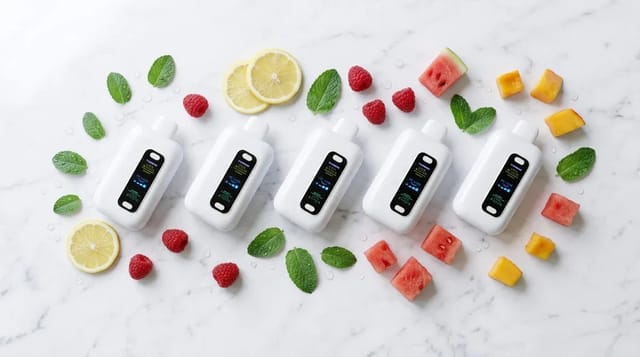
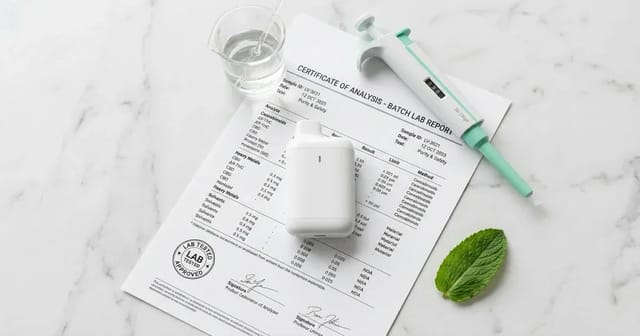
At Cyclone, our entire product line is nicotine-free and uses USP-grade VG, PG, and food-grade flavorings. No nicotine, no tobacco, no diacetyl, no vitamin E acetate. We have Gust Pro and Lightning flavors tested by an independent ISO 17025 lab and publish the results — including nicotine detection down to 0.063 micrograms per gram. The Gust Pro and Lightning both carry these specs.
We also make the Gust Core rechargeable disposable: rated 50,000 puffs, $25, 9 flavors, assembled in the USA.
Does that make nicotine-free vaping risk-free for your teeth? No. PG still dries your mouth, and VG still feeds bacteria. But the highest-impact oral health risks — vasoconstriction, masked gum disease, impaired healing, staining — are all nicotine-driven. Remove the nicotine and you remove the bulk of the dental concern.
What Does Your Dentist Actually See — Nicotine vs. Nicotine-Free?
| Oral Sign | Nicotine Vaping | Nicotine-Free Vaping | No Vaping |
|---|---|---|---|
| Dry mouth | High (nicotine + PG) | Moderate (PG only) | Baseline |
| Gum inflammation | Elevated | Minimal | Baseline |
| Gum recession | Increased risk | Not associated | Baseline |
| Tooth staining | Mild yellowish | None | None |
| Masked bleeding | Yes (vasoconstriction) | No | No |
| Bacterial biofilm | Increased (VG + immune suppression) | Slightly increased (VG only) | Baseline |
| Healing speed | Slower | Normal | Normal |
| Detectable by dentist? | Likely | Unlikely without disclosure | N/A |
How to Minimize Oral Health Risks from Vaping
Whether you vape with nicotine or without it, these habits protect your mouth. None of them are complicated.
Stay Hydrated
PG pulls moisture from your oral tissue. Counter it by drinking water before, during, and after vaping sessions. This is the single most effective thing you can do. Saliva is your mouth's first line of defense — keep the supply up.
Brush and Floss Consistently
VG-related biofilm buildup is a real effect, but it's one that standard oral hygiene handles well. Brush twice a day with fluoride toothpaste. Floss daily. If you vape frequently, consider brushing after sessions to clear any residual film from your enamel.
One caveat: don't brush immediately after vaping. The aerosol temporarily softens enamel slightly. Wait 20-30 minutes so your saliva can re-harden the surface before you scrub it.
Use an Alcohol-Free Mouthwash
Alcohol-based mouthwash dries your mouth further — the last thing you need when PG is already pulling moisture. An alcohol-free, fluoride-containing rinse adds mineral protection without compounding the dryness problem.
Keep Your Dental Appointments
Twice-yearly cleanings catch problems early. This matters more for vapers because dry mouth accelerates decay. If your dentist spots early-stage issues, they can intervene before a cavity needs a filling or gum disease progresses.
Be honest with your dentist about vaping. They're not going to lecture you — they need accurate information to give you the right care. A dentist who knows you vape will check for dry-mouth-related decay patterns and monitor your gum health more closely.
Choose What You Vape Carefully
Not all vapes carry the same risk profile. The biggest variable is nicotine content — as we've covered, nicotine drives the majority of oral health effects that dentists detect. Beyond nicotine, look for:
- USP-grade ingredients — Pharmaceutical-standard VG and PG versus industrial-grade
- Third-party lab testing — Verified zero-nicotine claims and contaminant screening
- Transparent brands — Companies that publish full lab reports, not just marketing claims
If you're not sure where to start, we built a decision guide that walks through product options based on what matters to you. We also maintain a regularly updated ranking of the safest vapes based on ingredient transparency and lab testing.
Consider a Lower-PG Ratio
Higher VG ratios produce thicker clouds but less throat dryness. Higher PG ratios deliver more throat hit but pull more moisture. If dry mouth is your main concern, leaning toward higher VG content helps — though it comes with the tradeoff of more glycerin contacting your teeth. There's no perfect answer here, just tradeoffs worth knowing about.
Will Your Dentist Judge You for Vaping?
Probably not. Dentists see the full spectrum of oral health — they've treated patients with far more damaging habits than vaping. Their job is diagnosis and treatment, not moral assessment.
If you're vaping nicotine-free specifically as an alternative to cigarettes or nicotine vapes, that's useful clinical context. It tells your dentist to watch for PG-related dry mouth but not to look for nicotine-specific tissue damage. Different information leads to different monitoring.
The patients dentists worry about most are the ones who don't disclose. If your dentist sees gum recession and dry-mouth decay but thinks you're a non-user, they might miss the real cause and treat symptoms instead of the underlying pattern.
What About Vaping and Oral Cancer?
This question comes up often and deserves a straight answer. Long-term data on e-cigarettes and oral cancer doesn't exist yet — the products haven't been around long enough for decades-long cohort studies.
What we know: combustible cigarettes are a proven cause of oral cancer, driven primarily by tar, formaldehyde, and the thousands of combustion byproducts created when tobacco burns. E-cigarettes don't combust anything. They heat liquid into aerosol. That eliminates the combustion chemistry entirely.
Nicotine itself is not classified as a carcinogen by major health bodies. But nicotine does impair DNA repair mechanisms and promote angiogenesis (new blood vessel growth), which could theoretically support tumor growth if cancer initiates from another source.
Nicotine-free vapes remove even that theoretical concern. But "no combustion" and "no nicotine" still doesn't mean "proven safe." The honest position: the risk is almost certainly far lower than smoking, likely lower than nicotine vaping, and the long-term data will take years to fully emerge. If you read anyone claiming certainty in either direction, they're ahead of the evidence.
The Bottom Line
Can your dentist tell if you vape? If you use nicotine vapes, the clinical signs — restricted blood flow, pale gums, unusual decay patterns, mild staining — will often give you away during a routine exam. If you vape nicotine-free, your dentist is unlikely to detect it from a clinical examination alone. The dry-mouth effects of PG are real but overlap with a dozen other causes (medications, dehydration, mouth breathing), so they don't point specifically to vaping.
The practical takeaways:
- Nicotine is the main driver of dentist-detectable oral changes from vaping. Vasoconstriction, staining, masked gum disease, and impaired healing are all nicotine effects.
- PG and VG have their own effects — dry mouth and bacterial adhesion — but these are manageable with hydration and standard hygiene.
- Tell your dentist. Accurate information leads to better care. They're not there to judge.
- If you're going to vape, choose products with verified ingredients. USP-grade base liquids, published lab results, and confirmed zero-nicotine testing remove the biggest risk variables.
We make nicotine-free vapes with published lab testing for the Gust Pro and Lightning: 13 of 16 flavors tested non-detect for nicotine (detection limit 0.063 micrograms per gram), with trace amounts in 3. Our e-liquid is made without diacetyl or vitamin E acetate. Available online at cyclonepods.com and in retail stores nationwide. If your main goal is vaping without handing your dentist a list of red flags, removing nicotine from the equation is the most impactful single change you can make.
Sources Cited
- Yang I, Sandeep S, Rodriguez J. The oral health impact of electronic cigarette use: a systematic review. Crit Rev Toxicol. 2020;50(2):97-127. PMID: 32043402
- Atuegwu NC, et al. The impact of vaping on periodontitis: A systematic review. Tob Induc Dis. 2020;18:88. PMID: 33274850
- Whitehead AK, et al. Nicotine and vascular dysfunction. Acta Physiol. 2021;231(4):e13631. PMID: 33595878
- Guo Y, et al. The prevalence of xerostomia among e-cigarette or combustible tobacco users: A systematic review and meta-analysis. Tob Induc Dis. 2023;21:15. PMID: 36777290
- Catala-Valentin A, et al. E-cigarette aerosol exposure favors the growth and colonization of oral Streptococcus mutans. Microbiol Spectr. 2022;10(2):e02421-21. PMID: 35377225
- Thalappillil BN, et al. What every dentist needs to know about electronic cigarettes. Gen Dent. 2021;69(3):40-45. PMID: 33908875