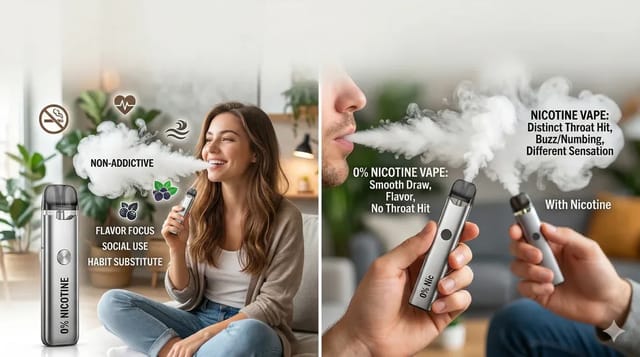
No — vaping is not just water vapor. What a vape produces is an aerosol: microscopic droplets of propylene glycol and vegetable glycerin carrying flavorings, trace metals from the heating coil, and in most products, nicotine. The CDC states plainly that e-cigarette aerosol "is NOT harmless 'water vapor,'" and Cleveland Clinic puts it the same way: despite the name, vaping doesn't make water vapor. Almost no water is involved — and what's actually in the cloud is the whole question.
- Vape "vapor" is an aerosol — PG/VG droplets, flavorings, coil metals, usually nicotine — not steam. The CDC, Cleveland Clinic, and American Lung Association all say so directly.
- You can't actually vape plain water: it turns to steam near 212°F, hot enough to scald your airway, so "water vape" products aren't pure water either.
- Whether the aerosol is relatively benign depends on the ingredients — which is why transparency matters more than the "just water" label.
- If you want the exhale without nicotine, a lab-tested nicotine-free vape is the honest version of "clean."
Water Vapor vs. Vape Aerosol: Not the Same Thing
Water vapor is water in gas form — the invisible humidity off a kettle, made of H₂O. Vape output is an aerosol: tiny liquid droplets suspended in air, formed when a coil heats e-liquid into a fine mist. The Texas Department of State Health Services spells it out — "the aerosol is not water vapor." The distinction isn't pedantic. Steam is water; vape aerosol is a suspension of propylene glycol (PG), vegetable glycerin (VG), flavor compounds, trace metals, and usually nicotine.
You can see the difference in behavior. Water vapor dissipates instantly and leaves nothing. Vape aerosol lingers, drifts, and settles on surfaces, because it's made of oily droplets, not gas. That's why secondhand vape exposure is real and secondhand "steam" isn't.
So What's Actually in the Cloud?
Break a vape cloud into parts and almost none of it is water:
| Component | What It Is | Why It's There |
|---|---|---|
| Vegetable glycerin (VG) | Thick, sweetish plant-derived liquid | Produces the visible cloud |
| Propylene glycol (PG) | Thin, colorless liquid | Carries flavor and throat hit |
| Flavorings | Food-grade flavor compounds | Taste |
| Trace metals | Nickel, tin, lead particles | Shed from the heating coil |
| Nicotine | Addictive stimulant (in most vapes) | The reason most e-cigarettes exist |
The VG is what makes the big cloud people mistake for water vapor — the same food-safe glycerin used in frosting, but heated and inhaled as droplets, which is a different exposure than eating it. Whether that aerosol is relatively benign or genuinely risky depends on the other rows: which flavorings, whether nicotine, whether trace metals, and whether anything unlisted (like the vitamin E acetate tied to the 2019 EVALI lung-injury outbreak) is present.
Can You Vape Just Water?
People ask this because it sounds like the harmless option. It isn't possible. Water boils into steam around 212°F (100°C) — below the lowest setting on essentially any vape — so a coil hot enough to aerosolize e-liquid would flash water into steam hot enough to scald your mouth and airway, as Healthline notes. That's also why the "water vapes," "vapor water" devices, and "water vapor vapes" sold online aren't pure water: they still run on a PG/VG base with flavorings. "Water vape" is a marketing label, not a literal ingredient list.
Is the Aerosol Dangerous?
"It's just water vapor" and "it's instant poison" are both wrong. The American Lung Association's position is the useful one: e-cigarette aerosol "is not just harmless water vapor," and risk depends on what's in it. PG and VG are recognized as safe to eat; their long-term inhalation is less studied, and some research reports airway irritation with chronic aerosolized PG. Nicotine is addictive regardless of delivery. Flavorings vary in quality, and a few — like diacetyl, linked to "popcorn lung" — have no business in something you inhale.
This is where knowing what's in the cloud stops being trivia. If you can't verify the ingredients, you can't judge the risk — which is the real case against treating any vape as "just water."
The Cleanest Version of the Cloud We Can Make
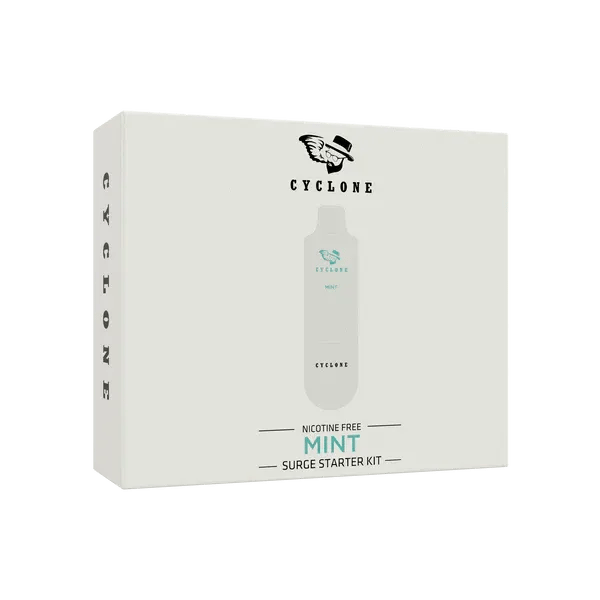
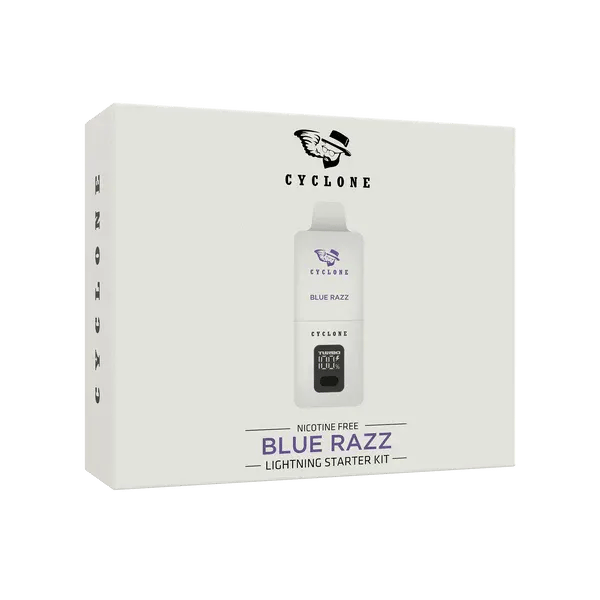
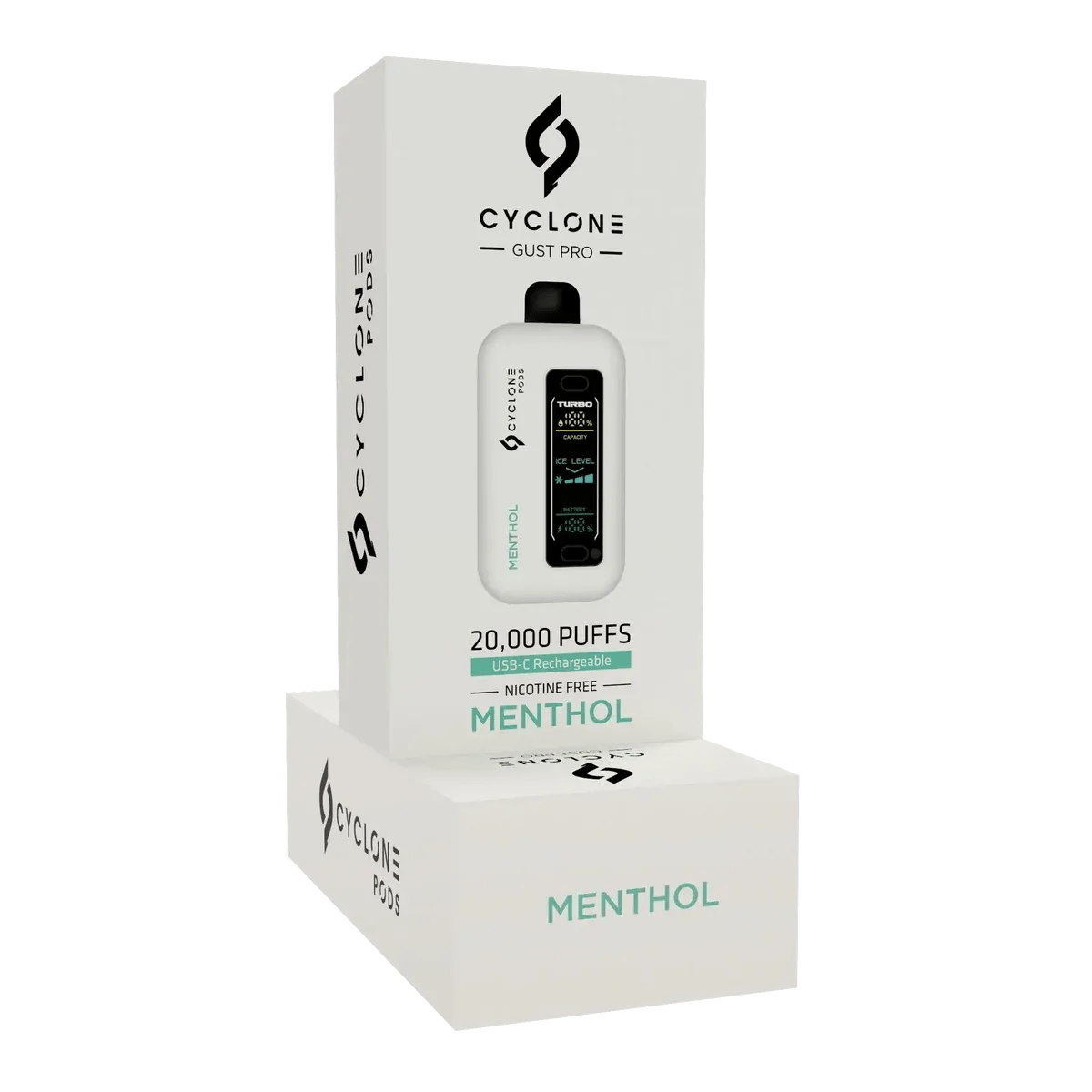
No honest company can call a vape as harmless as breathing air. What we can do is remove the two biggest variables and prove it. Cyclone Pods vapes contain USP-grade VG, PG, and food-grade flavorings, with no added nicotine, and they're made without diacetyl or vitamin E acetate. Gust Pro and Lightning vapes are tested by Legend Technical Services (ISO 17025): 13 of 16 flavors came back non-detect for nicotine at a 0.063 μg/g limit, with trace amounts in 3 (Work Order #2503988).
So the cloud still isn't water vapor — but it's one you can account for, with a published lab report and no nicotine. If the exhale is what you want and the nicotine isn't, that's what our nicotine-free vapes are for — the Gust Pro (20,000 puffs) and Lightning (10,000 per pod) both run zero-nicotine on the same VG/PG base described above. For longer runs, the Gust Core, rated 50,000 puffs, is USB-C rechargeable, $25 and assembled in the USA. For the wider safety picture, start with our guide to the safest vapes.
The Bottom Line
Vape clouds are aerosol, not water vapour — PG, VG, flavorings, coil metals, and usually nicotine, suspended as droplets you can see, smell, and leave behind on surfaces. The CDC, Cleveland Clinic, and American Lung Association all reject the "just water" line. You can't vape plain water either. The only honest answer to "what's in it?" is a published lab report and no nicotine — which is the one we're willing to put our name on.
Related reading: nicotine-free vapes · the safest vape · our lab results