No — there's no evidence energy vapes are safe, and no evidence they work. No published human study shows that an energy vape delivers a useful dose of caffeine, vitamin B12, taurine, or guarana to your bloodstream, the FDA has never approved one, and the one 2024 model that tried to estimate the risk concluded it may outweigh any benefit. We don't sell energy vapes at Cyclone Pods. Here's what the evidence actually says, and what to use instead.
- The FDA has not approved any energy, caffeine, or "vitamin" vape; the CDC's position is that no e-cigarette is proven safe.
- No published human study has measured caffeine absorption from a vape — oral caffeine is absorbed at nearly 100%, so a vape would need hundreds of puffs to rival one coffee.
- The carrier you inhale (propylene glycol/vegetable glycerin) can irritate the airways; the American Lung Association warns against inhaling anything but air.
- If you want the lift, use coffee or a caffeine pouch with a labeled dose.
What Is an Energy Vape?
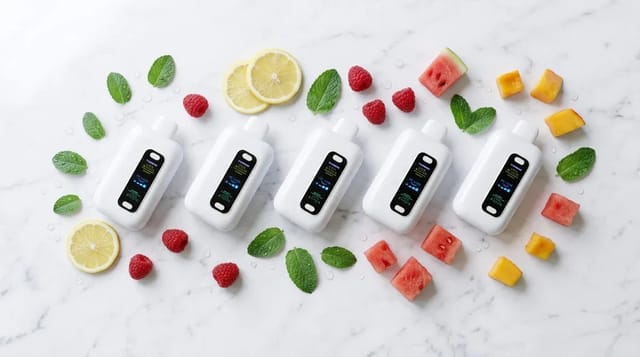
An energy vape — also sold as a caffeine vape, energy pen, vitamin vape, or caffeine diffuser — heats a liquid full of stimulants into an aerosol you inhale. Instead of nicotine, the liquid carries some mix of caffeine, vitamin B12, taurine, guarana, or ginseng, suspended in the propylene glycol (PG) and vegetable glycerin (VG) base used in e-cigarettes. HealthVape, MELO, and the original Eagle Energy inhaler (a caffeine-and-B12 device from 2014) built the category; a rotating cast of Amazon and TikTok "B12 vapes" fills out the bottom of it.
The marketing leans on words like "natural," "drug-free," and "sugar-free." Every one of those describes what's in the bottle. None of them describes what reaches your blood — which is the only thing that decides whether the product does anything at all.
Do Energy Vapes Actually Work?
The sellers' own claim is that you get a "mild stimulant effect" from rapid caffeine absorption through the lungs. The problem is that no one has measured it from a vape in people. Caffeine works orally because your gut absorbs almost all of it — oral caffeine bioavailability is close to 100%, and plasma levels peak 30 to 60 minutes after a coffee. The one human absorption study we found is a 2005 study of 10 experienced heroin smokers who inhaled the vapor of heroin preparations containing 100 mg of caffeine (about 60% bioavailability, PMID: 15667599); nobody has run that measurement on a caffeine vape. The modeling that exists is discouraging: a 2024 model predicted a 1 mg inhaled dose would peak 72 times lower in plasma than an 80 mg coffee, so matching one cup of coffee would take hundreds of puffs.
Lungs can absorb some drugs quickly — that's real, and FDA-approved inhaled insulin (Afrezza) proves it's possible. But Afrezza cleared years of trials and precise dose engineering. Caffeine aerosolized in a disposable pen got none of that. "Faster absorption" is a borrowed phrase, not a result anyone has measured from a vape. For the full caffeine-vape math against a pouch, see our caffeine vapes vs. pouches comparison.
Are Energy Vapes Safe?
Nobody can honestly say yes, and the authorities that study this default to no. The CDC states plainly that no e-cigarette is safe. The American Lung Association's position is blunter still: your lungs are built to inhale air and nothing else, and inhaling other substances — including "wellness" aerosols — can inflame and irritate airway tissue, causing coughing, wheezing, and shortness of breath.
The one serious attempt to quantify the trade-off agrees. A 2024 simulated pharmacokinetic analysis of inhaled caffeine and melatonin in Food and Chemical Toxicology (Kolli et al., PMID: 38493979) found these products suffer from a "lack of dosimetric considerations" and that the toxicological concerns "could outweigh the potential beneficial effects." Add the carrier: PG and VG are recognized as safe to eat, but that designation doesn't cover inhaling them, and long-term inhalation of aerosolized PG has barely been studied. You breathe the carrier on every puff, whether or not the caffeine ever arrives.
What's Actually in the Cloud
An energy-vape label reads like an energy-drink panel — and that's the sleight of hand. Every ingredient below was studied in people by mouth; none has been measured reaching human blood from a vape.
| Ingredient | Claimed Benefit | Evidence for Inhalation |
|---|---|---|
| Caffeine | Alertness, energy | Never measured from a vape (the one human absorption study we found, of heroin smokers, reported ~60%); 2024 model flags risk over benefit |
| Vitamin B12 | "Energy" support | No evidence inhaled B12 is absorbed; true deficiency is uncommon in people who eat meat or dairy |
| Taurine | Endurance, focus | Studied orally in energy drinks; zero inhalation data |
| Guarana | "Natural" caffeine | Plant-derived caffeine — same absorption problem |
| PG / VG carrier | Delivery base | Safe to ingest; long-term inhalation barely studied |
The B12 vape is the clearest tell. Vitamin B12 deficiency is uncommon in anyone eating a normal omnivorous diet, oral and injected B12 are the only forms with absorption data, and inhaling it has never been shown to raise blood levels. You're paying for a deficiency you probably don't have, treated by a route that probably doesn't work.
The FDA Has Flagged Inhaled Caffeine Before
This isn't a new fight. In March 2012, the FDA sent a warning letter to Breathable Foods over AeroShot, an inhalable caffeine product, citing contradictory claims about whether the caffeine was swallowed or actually inhaled and noting the safety of inhaling it was not well studied. On Dec 1, 2021, the agency sent warning letters to five makers of vitamin and supplement vapes, including Eagle Energy over its "Caffeine Pen", then published a consumer update, "Beware of Vaping Products with Unproven Health Claims," aimed at exactly these wellness-branded inhalers. Energy vapes are running the same play a decade later — and the regulator has seen it before.
What Works Instead: Energy Your Body Can Absorb
If you want the lift without the guesswork, pick a source with a known dose. Coffee and tea work. So do caffeine pouches.
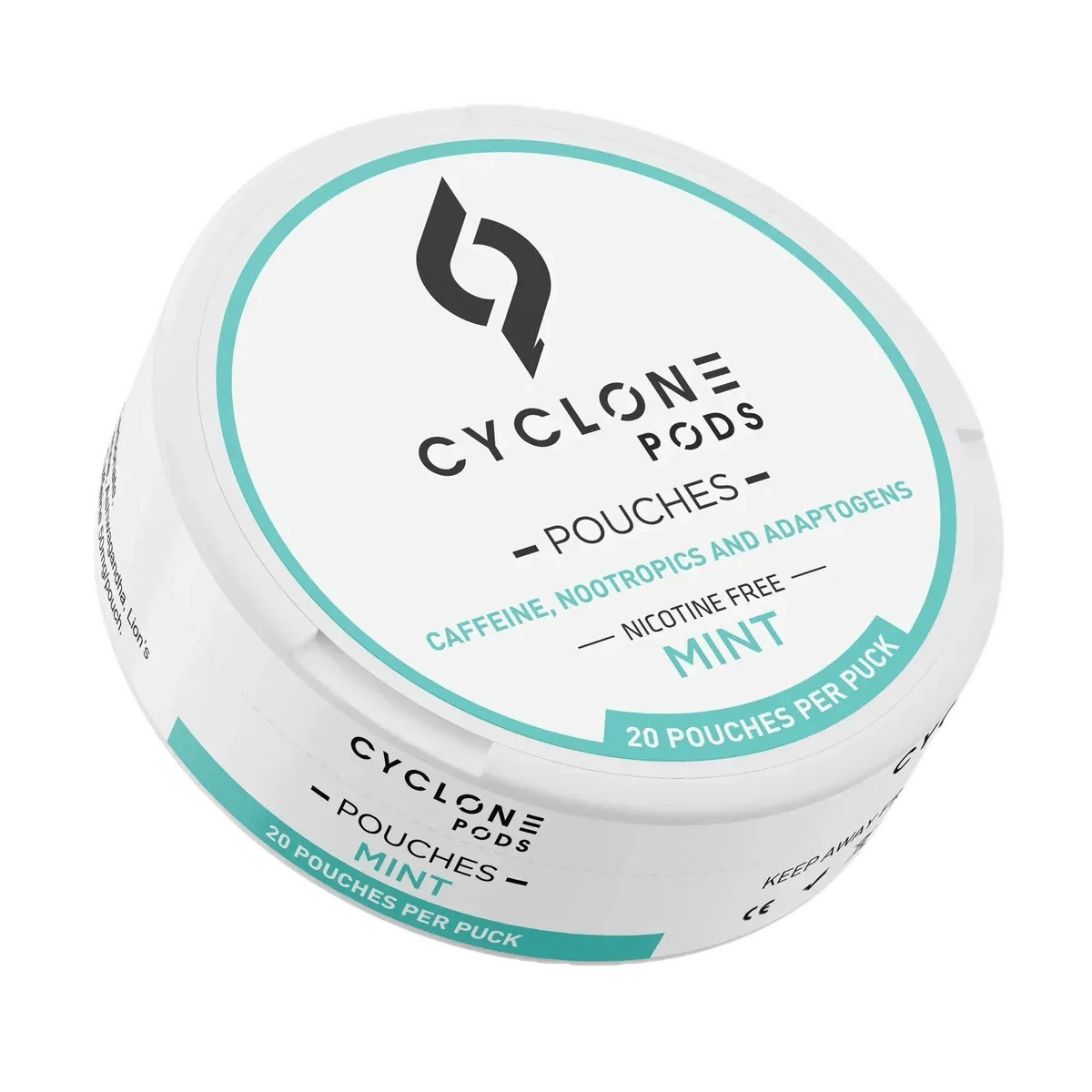
That's the reason our functional product is a pouch, not a vape. Cyclone Focus Pouches are labeled at 50 mg of caffeine (from guarana) per pouch, plus phosphatidylserine (from soy), ashwagandha, reishi, lion's mane, cordyceps and bacopa monnieri. They're tested by Certified Laboratories: every pesticide and residual solvent non-detect. No heating, no aerosol, no faith required. If your comparison was really an energy-drink habit, our Focus Pouches vs. energy drinks breakdown covers that side.
The Bottom Line
Energy vapes take ingredients with decades of oral research and inhale them on faith. The FDA won't approve them, the CDC and American Lung Association warn against inhaling them, and the only model that quantified the trade-off put risk ahead of benefit. For energy, drink your coffee or use a pouch you can dose — both are cheaper, studied, and honest about what they deliver. For the wider picture, start with our guide to the safest vapes.
Related reading: caffeine pouches · caffeine vapes vs. pouches · Focus Pouches vs. energy drinks