An artificial cigarette is any non-tobacco, non-nicotine product built to imitate the physical experience of smoking: the hand-to-mouth motion, the draw, sometimes a visible exhale, all without the addictive chemicals. "Fake cigarette" is the same category under a different name: plastic quit-smoking inhalers, herbal cigarettes, prop cigarettes for film and TV, and nicotine-free vapes all fall under it.
The category spans a $10 plastic tube from Amazon to a burning herbal cigarette that delivers real tar. Not all of them are safe, and one type is worse than most people assume. Here's what each one actually does, what the research says, and what we'd use instead.
We're not doctors, and this isn't medical advice. If you're quitting smoking, talk to a healthcare provider about the best approach for your situation.
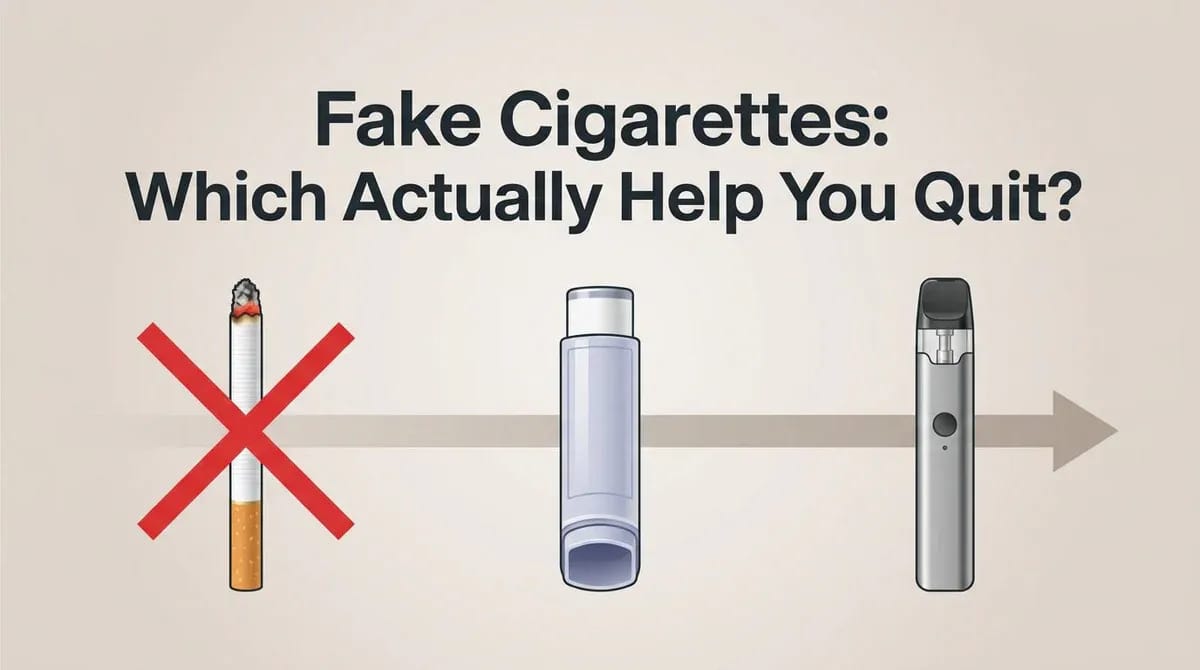
Bottom line: Skip herbal cigarettes. They still burn plant material and produce tar and carbon monoxide close to tobacco levels. Plastic inhalers are the safest artificial cigarette (you're breathing air), but they don't feel like smoking. A nicotine-free vape gets closest to the real ritual, with visible vapor, a real draw, and no combustion, and it works best paired with nicotine replacement therapy rather than as a standalone quit method.
The 4 Types of Artificial Cigarettes
"Artificial cigarette" and "fake cigarette" cover four distinct products. Lumping them together is the mistake most articles on this topic make. One of the four is genuinely harmful, and the label doesn't tell you which.
1. Plastic Smoking Inhalers
These are what most people picture when they search "artificial cigarette to quit smoking." Brands like Achieve, QuitSmart, and QuitGo sell plastic tubes shaped like cigarettes that you breathe through. No vapor, no smoke, no electronics, just air, sometimes with a faint menthol or cinnamon flavor.
The idea: satisfy the hand-to-mouth habit and the breathing ritual while your body detoxes from nicotine. A CBS News report on a clinical study found that nicotine-free plastic inhalers increased quit rates among smokers who used them as a supplement to other cessation methods.
How the three major brands compare:
- QuitGo: $12.95 for a 2-pack with replacement filters. Menthol and cinnamon options. Designed to mimic the weight and draw resistance of a cigarette.
- Achieve Inhaler: ~$10 on Amazon. Basic plastic tube with soft tip. No flavor cartridges.
- QuitSmart: $14.95 for a kit with booklet and behavioral guide. Menthol-flavored filter.
Pros: Zero health risk (you're breathing air), cheap ($8-15), no charging or refilling, discreet
Cons: No vapor or visible exhale, limited sensory satisfaction, feels like sucking on a straw
2. Herbal Cigarettes
Herbal cigarettes contain dried herbs, typically marshmallow root, passion flower, cloves, rose petals, or jasmine, wrapped in paper and smoked like a regular cigarette. Zero nicotine, zero tobacco. Brands like Honeyrose and Ecstasy are the most well-known.
Here's the problem: herbal cigarettes are not safe.
A study published in the journal Toxicological Research found that herbal cigarette smoke delivers similar amounts of carbon monoxide and tar as tobacco cigarettes. The smoke condensates showed higher mutagenic potential than tobacco smoke at the same concentration. The combustion byproducts may be more dangerous, not less.
The Federal Trade Commission investigated herbal cigarette makers and found false claims about their products being healthier. The FTC concluded that smoke from herbal cigarettes, like tobacco smoke, contains numerous carcinogens and toxins.
The fundamental issue is combustion. Burning any plant material, whether tobacco, herbs, or lettuce, produces tar, carbon monoxide, and carcinogenic compounds. Removing the nicotine doesn't remove the fire. (We cover why diacetyl-free formulations matter and what to look for in vape ingredients.)
Pros: Looks and feels exactly like a real cigarette, no nicotine
Cons: Produces tar and carbon monoxide, may be as carcinogenic as tobacco smoke, FTC found false safety claims, you're still inhaling combustion products
3. Prop Cigarettes (Film & Theater)
If you've watched a TV show or movie where someone smokes, they're almost certainly using a prop cigarette, the film-industry version of an artificial cigarette. The standard is Honeyrose, herbal cigarettes designed to look identical to real ones on camera.
According to the Television Academy, prop cigarettes are the standard on sets from Mad Men to The Bear. They contain marshmallow leaves, red clover flowers, rose petals, fruit juice, and honey. Jon Hamm reportedly smoked over 100 prop cigarettes per day during some Mad Men episodes.
Some productions now use prop vapes or digital effects instead, to avoid even the herbal combustion exposure.
Pros: Look exactly like real cigarettes, available for purchase online
Cons: Same combustion risks as herbal cigarettes (they ARE herbal cigarettes), not designed for daily cessation use, expensive for regular use
4. Nicotine-Free Vapes
The modern artificial cigarette. Nicotine-free vapes heat a liquid (USP-grade VG, PG, and food-grade flavoring) into an aerosol. No combustion, no tar, no carbon monoxide. You get the hand-to-mouth ritual, the visible exhale, and the flavor without nicotine or fire.
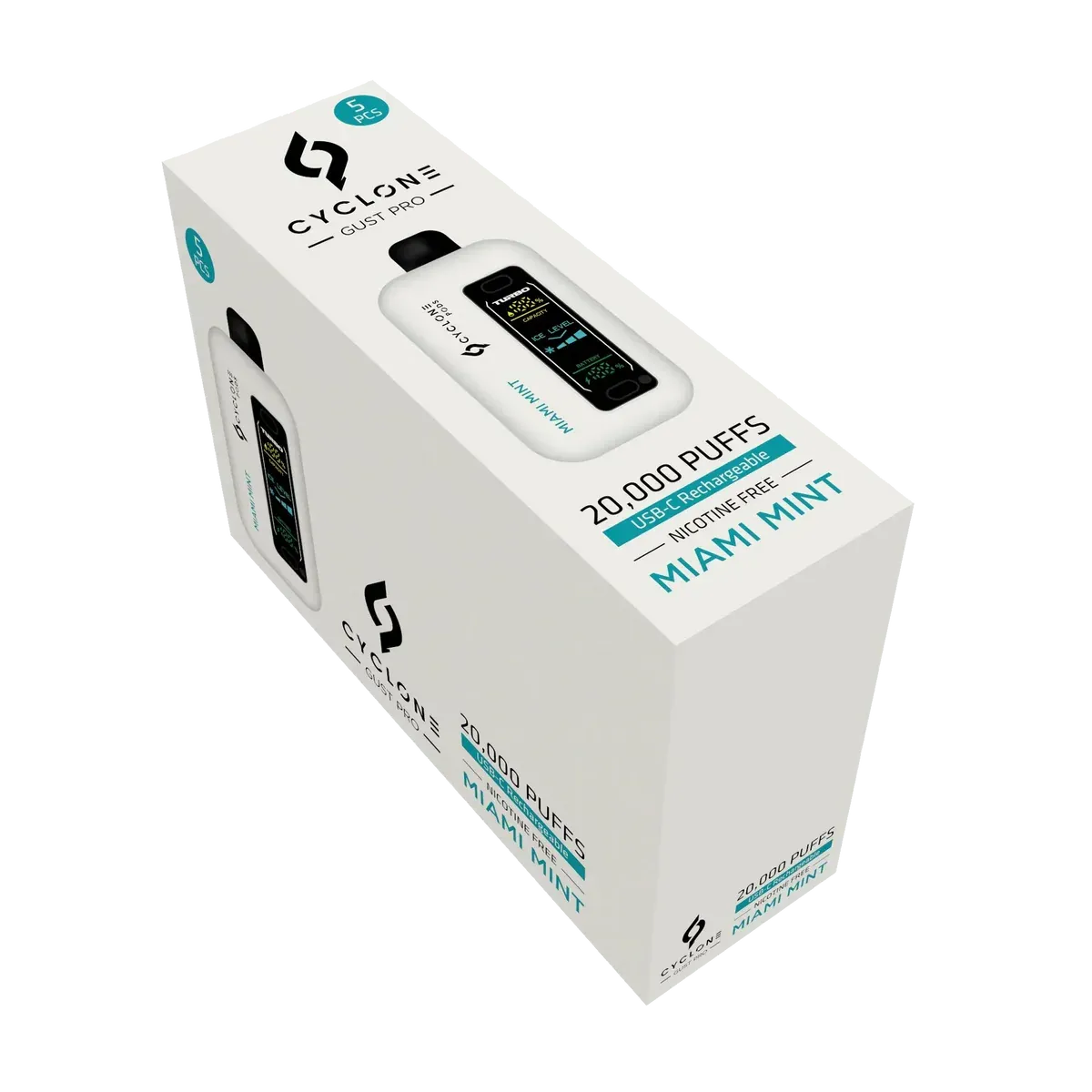
This is what we make at Cyclone Pods. We've built nicotine-free vapes since 2018. We don't market them as fake cigarettes, but the use case overlaps heavily. Many of our customers are former smokers who use the Gust Pro or Lightning pods as a transitional tool. Browse the full range in our nicotine-free vape collection or check the disposable vapes if you want zero setup.
Pros: No combustion (no tar, no CO), visible vapor, flavor variety, satisfying ritual
Cons: Still involves inhaling an aerosol (not zero-risk), requires charging, more expensive than plastic inhalers
Are Artificial Cigarettes Safe?
It depends entirely on the type. Plastic inhalers are the safest, since you're breathing air through a tube, with zero combustion and zero health risk. Nicotine-free vapes eliminate combustion too, though you're still inhaling an aerosol. Herbal cigarettes are not safe: the 2015 Toxicological Research study found they produce tar and carbon monoxide levels similar to tobacco, with higher mutagenic potential in the smoke condensate.
Our Gust Pro and Lightning vapes are third-party tested by Legend Technical Services, Inc. (St. Paul, MN, ISO 17025 accredited). Nicotine was not detected in 13 of 16 flavors by LC-MS/MS (Work Order #2503988, detection down to 0.063 µg/g), with trace amounts in three, and a July 2026 panel (Work Order #2602062) found no diacetyl in six flavors. The full flavor-by-flavor nicotine results are posted on our lab testing page.
Prop "Fake Vapes" vs Nicotine-Free Vapes
A prop "fake vape" looks like a vape but heats nothing. Costume and film props are solid plastic, and flavored-air devices pull plain air through a scented insert. A nicotine-free vape heats a VG/PG liquid into real vapor, so it feels closer to vaping, but you are inhaling an aerosol, not air.
Pick by what you miss. If it's the object in your hand and the draw, a prop or flavored-air device costs little and puts nothing heated in your lungs. If you want a visible exhale and some throat feel, only a heated device gives you that, which is what our nicotine-free vapes do with USP-grade VG, PG and food-grade flavoring.
Searching "fake vape" because you think a nicotine vape you bought is counterfeit? That's a different problem. See how to tell if a vape is fake.
Artificial Cigarettes Side-by-Side
| Type | Combustion | Tar / CO | Nicotine | Visible Exhale | Price |
|---|---|---|---|---|---|
| Plastic Inhalers | No | None | None | No | $8-15 |
| Herbal Cigarettes | Yes | Yes (similar to tobacco) | None | Yes | $8-12 / pack |
| Prop Cigarettes | Yes | Yes | None | Yes | $10-20 / pack |
| Nicotine-Free Vapes | No | None | None | Yes | $14-20 |
| Nicotine-Free Pouches | No | None | None | No | $9.99 / 20 |
What Is the Best Artificial Cigarette to Quit Smoking?
Skip herbal cigarettes entirely. They solve the nicotine problem while creating a combustion problem that's nearly as bad. The FTC found false safety claims, and the 2015 Toxicological Research study showed higher mutagenic potential in herbal smoke than tobacco smoke at the same concentration.
For the rest, it depends on what you need:
If you need the hand-to-mouth ritual and visible vapor: A nicotine-free vape is the most satisfying option without combustion. Our Gust Pro delivers 20,000 puffs for $20 with 14 flavor options, rechargeable via USB-C. No nicotine, no diacetyl, no vitamin E acetate. USP-grade VG, PG, and flavoring only. We publish the full lab results. If the pull itself is what you crave, our guide to oral fixation alternatives when quitting covers the full range of options.
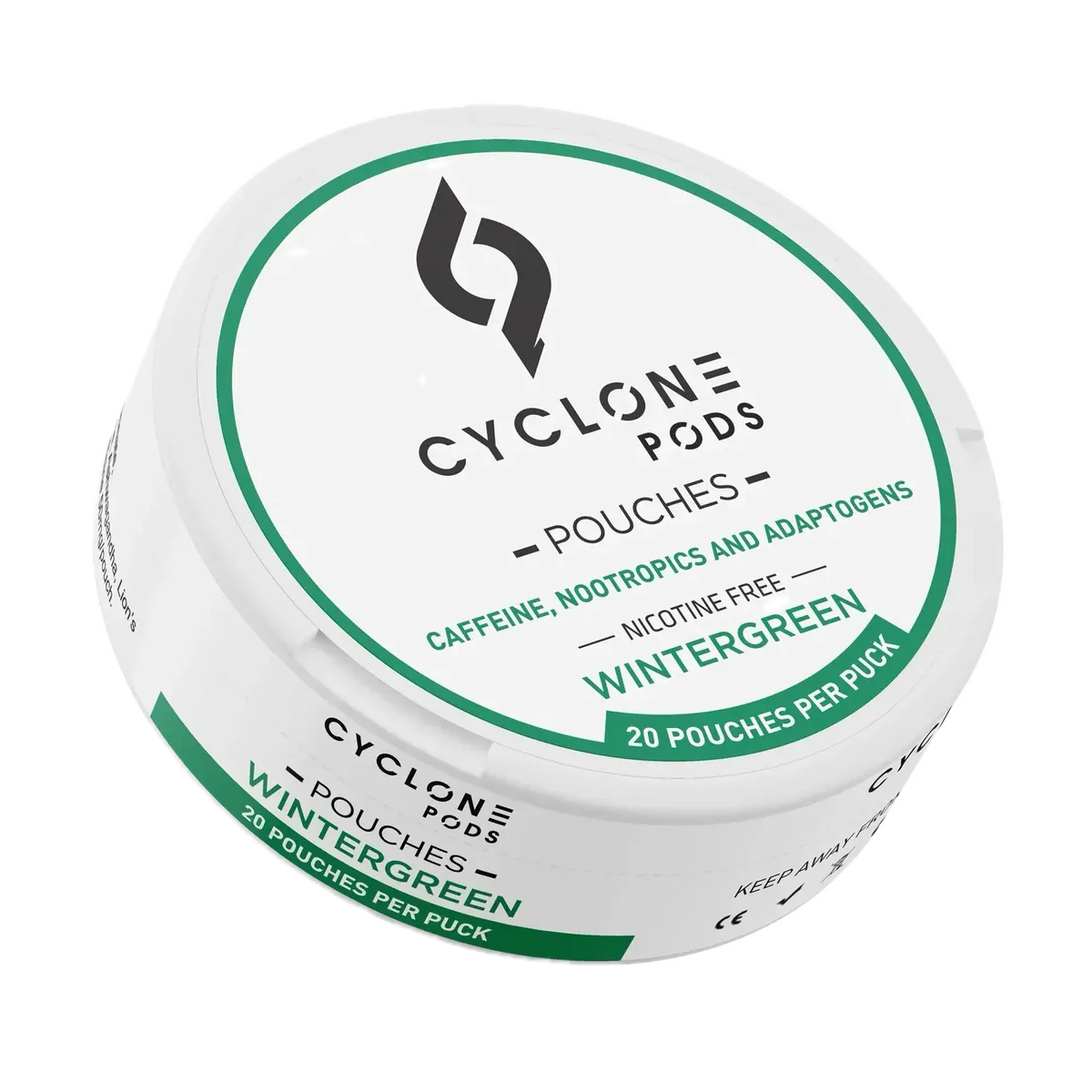
If you want oral fixation without inhaling anything: Our adaptogen pouches give you something to hold in your mouth and contain ashwagandha, lion's mane, reishi, cordyceps, bacopa monnieri, and 50mg caffeine (label) from guarana. $9.99 for 20 pouches. No inhalation whatsoever.
If you want the cheapest, lowest-risk option: A plastic inhaler from Amazon for $10 is hard to beat on safety. You're breathing air through a tube. Just don't expect it to feel like smoking.
If you already smoke pods and want a reusable option: the Lightning pod system runs 10,000 puffs per 7ml pod at $14/pod or $20 for the starter kit, with 13 flavors and a magnetic connection.
Not sure which approach fits you? Our product guide walks through the options, or browse the full nicotine-free vape lineup to see what's available. If you're still weighing vaping against smoking generally, we broke down the differences in vaping vs. smoking, and our safest vape guide covers what to check on any label before you buy.
Do Artificial Cigarettes Help You Quit Smoking?
The short answer: they help with the behavioral side, but they're not enough on their own.
Smoking addiction has two components: the chemical dependency on nicotine, and the behavioral habit (hand-to-mouth motion, the inhale, the social ritual). Artificial cigarettes address only the second part. That's valuable, but it's not the whole picture.
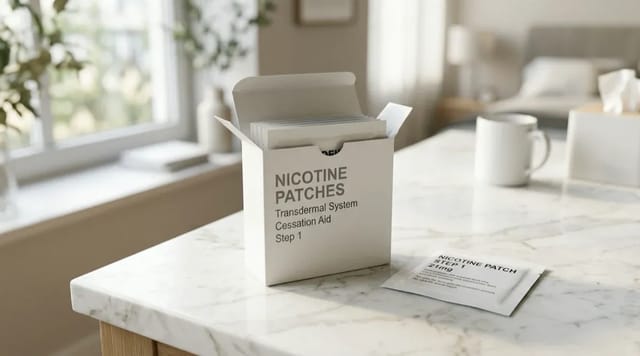
Research supports combining behavioral tools with pharmacological support. The Cochrane Review on NRT found that combination therapy, pairing NRT (patches, gum, or lozenges) with a behavioral replacement, increases quit rates by 15-25% compared to NRT alone. An artificial cigarette or nicotine-free vape serves as that behavioral replacement.
If you're interested in what the anxiety pen market looks like, devices specifically marketed for stress relief during quitting, we reviewed five options with the science behind each one.
For the flavored air device category, there's significant overlap with artificial cigarettes. Both aim to replicate the ritual without the harm.
Are Herbal Cigarettes Safer Than Real Cigarettes?
No. While they contain no nicotine or tobacco, herbal cigarettes still involve combustion. The FTC and peer-reviewed research confirm that burning plant material, any plant material, produces tar, carbon monoxide, and carcinogenic compounds at levels comparable to tobacco smoke. "Herbal" describes the ingredient list, not the risk profile.
A Note on Quitting
Artificial cigarettes, all types, address the behavioral side of smoking addiction. They don't address the chemical side. If you're quitting nicotine, the most effective evidence-based approaches combine behavioral tools (like the ones above) with nicotine replacement therapy (NRT) or prescription medication.
The Mayo Clinic recommends NRT (patches, gum, lozenges) as a first-line treatment, with prescription options like varenicline for people who need additional support. We compared nicotine gum vs pouches if you're weighing those options. An artificial cigarette or nicotine-free vape works best as a complement to these methods, handling the habit while NRT handles the chemistry.
We wrote a detailed vape withdrawal timeline covering what to expect day by day and what actually helps if you're going through the quitting process right now. If it's a vape you're putting down, our guide on how to stop vaping compares cold turkey, a nicotine taper and prescription options.
Resources:
- 1-800-QUIT-NOW: free quit coaching, 24/7
- Smokefree.gov: quit plans, text support, apps
- 988 Suicide & Crisis Lifeline: Call or text 988