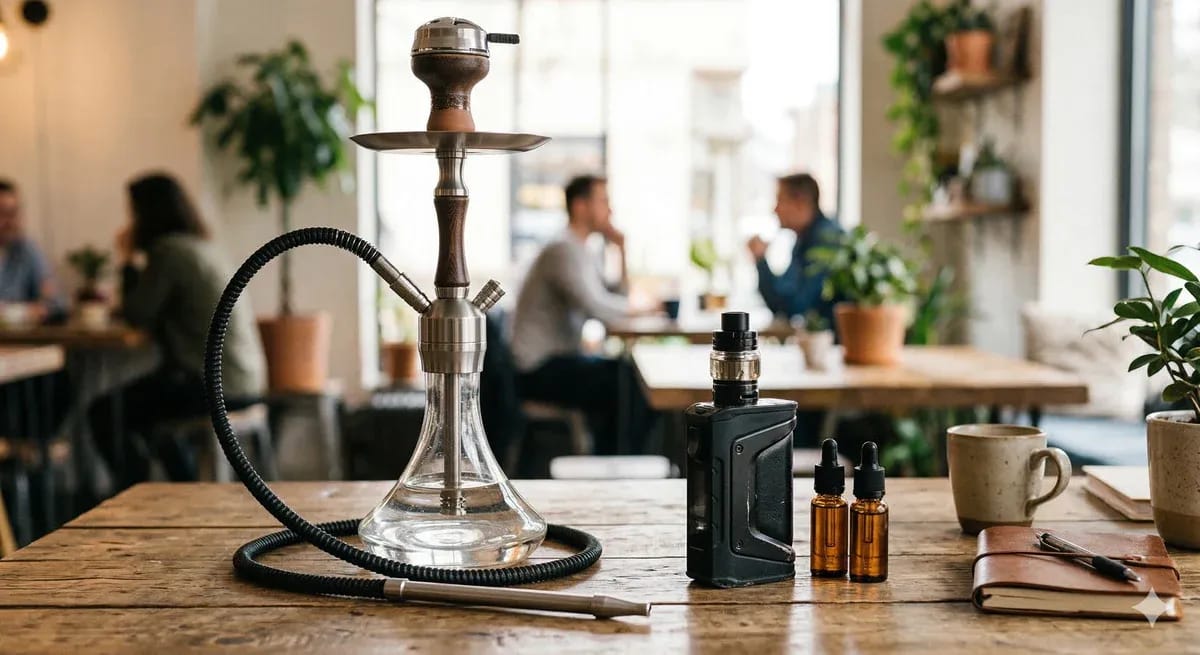
Shisha (aka hookah) and vapes are both popular ways to enjoy smooth, flavored clouds. While these products typically contain nicotine, there are nic-free options for those who want the experience without the addictive element.
That said, shisha and vapes work very differently, and each comes with its own set of trade-offs.
Here’s how they compare:
- Mechanism: Shisha uses combustion (similar to cigarette smoking), while vaping uses vaporization.
- Usage: Shisha smoke passes through water before inhalation. Vapes heat e-liquid to create an aerosol, without producing smoke or ash.
- Health risks: Shisha exposes users to carbon monoxide and tar due to burning charcoal and tobacco. Vaping avoids combustion but still exposes the lungs to chemicals, particularly with low-quality e-liquids. Adding nicotine to either increases health risks.
- Addiction potential: Dependence is mainly linked to nicotine content rather than the device itself. However, the portability of vapes can make more frequent use likely when nicotine is involved.
-
Cost: A shisha setup can cost over $80, while vaping devices start at around $10.
Which Is “Better” — Shisha or Vapes?
Neither option is considered safe, as they both typically involve nicotine. That said, vaping is seen as less harmful than shisha and traditional smoking, since it doesn't involve combustion.
In this shisha vs vape guide, we’ll compare the pros and cons of each. We’ll also cover nicotine-free options, such as Cyclone Pods.
Further Reading:
|
Shisha vs Vape: Quick Comparison
Here are the differences between shishas and vapes at a glance:
|
Factors |
Shisha |
Nicotine Vape |
|
Usage |
Smoke is drawn through a water-filled bowl and inhaled through a hose. |
Inhaled as vapor from a battery-powered device. |
|
Nicotine Delivery |
Slower, steadier delivery compared to cigarettes. |
Fast-acting, cigarette-like hit |
|
Nicotine Content |
A typical hookah session delivers approximately 2.29–2.94 mg of nicotine (1.7x more than a single cigarette). |
Available in a wide range of strengths, typically from 2 mg to 50 mg/ml (0–5%). |
|
Popular Flavors |
Fruits, mint, menthol, and tobacco. |
Fruits, desserts, candies, beverages, menthol, and tobacco. |
|
Health Risks |
Carbon monoxide poisoning and lung inflammation. |
Lung inflammation, respiratory, and cardiovascular risks. |
|
Setup and Maintenance |
Requires preparing tobacco, filling the water base, and heating charcoal. |
Requires charging and refilling or replacing cartridges/pods. |
|
Addiction Potential |
Moderate with nicotine shishas; use is often limited by session length and setup time. |
Higher with nicotine vapes, as ease of use may encourage frequent consumption. |
|
Social Experience |
Used in group settings, shared among 2 or more people at home or in hookah lounges. |
Often used individually, either indoors or outdoors. |
Shisha vs Vape: In-Depth Comparison
Here’s how shisha and vapes compare across key factors. For this comparison, we’ll focus on the nicotine versions of both.
- Shisha vs Vape: What They Are
- Shisha vs Vape: How Do They Work? (Nicotine Delivery)
- Shisha vs Vape: Nicotine Strength and Control
- Shisha vs Vape: Addiction Potential
- Shisha vs Vape: Health Risks & Side Effects
- Shisha vs Vape: Popular Flavor Options
- Shisha vs Vape: Preparation
- Shisha vs Vape: Portability
- Shisha vs Vape: Cost
1. Shisha vs Vape: What They Are
Shisha is a popular way of smoking flavored tobacco in the Middle East. The tobacco is heated with charcoal, and the hookah smoke passes through a base before being inhaled.
Modern variations like e-hookah replace tobacco and charcoal with an electronic device that heats flavored liquid, producing vapor.
Vapes use a battery-powered device to heat a liquid (commonly called vape juice) into vapor.
Most e-liquids contain:
- Nicotine (in varying strengths)
- Flavorings
- A base of propylene glycol (PG) and vegetable glycerin (VG)
Devices range from simple disposable vapes to refillable pod systems and advanced mods with adjustable power settings. These allow users to customize their nicotine strength, flavor, and vapor production.
Note: Technically, the term ‘hookah’ refers to the water pipe itself, while ‘shisha’ is the flavored tobacco smoked in it. However, in everyday conversation, the two terms are often used interchangeably.
2. Shisha vs Vape: How Do They Work? (Nicotine Delivery)
In traditional shisha, flavored tobacco or an herbal alternative sits in a bowl at the top of the pipe, covered with foil or a heat management device. Lit charcoal rests on top and slowly heats the bowl from above.
As the hookah tobacco heats up, it produces smoke containing nicotine. When you inhale through the hose, the smoke travels down the stem, passes through water in the base, and is then drawn into the lungs.
Although the water cools the smoke, it does not effectively remove nicotine or other harmful substances, such as carbon monoxide.
With e-shisha, the process changes.
Instead of charcoal and tobacco, a battery-powered device heats flavored vape liquid into an inhalable aerosol. This delivers nicotine without burning tobacco, similar to a vape pen.
Vapes rely on a battery-powered coil to heat e-liquid into an aerosol. The aerosol contains nicotine, which is rapidly absorbed into the bloodstream through the lungs. Nicotine delivery is quick and efficient (especially with nicotine salts), so you feel the effects almost immediately.
Like smoking hookah, vaping involves inhalation, but it avoids tobacco combustion while still mimicking the familiar hand-to-mouth motion of traditional smoking.
3. Shisha vs Vape: Nicotine Strength and Control
Hookahs typically use Virginia tobacco, which is washed multiple times, lowering its nicotine content. However, that doesn’t mean nicotine exposure is minimal.
A single hookah smoking session can deliver 1.7 times the nicotine of one cigarette (approximately 1.7–2.6 mg per session). For daily users, overall nicotine absorption can be comparable to smoking around 10 cigarettes per day.
Because nicotine is delivered gradually over a long session, you may not feel the sharp, immediate “hit” associated with cigarette smoking or vaping devices. The slower onset can make it easier to consume more nicotine than intended, simply because the effects aren’t as noticeable right away.
For vapes, e-liquids are available in a wide range of nicotine strengths — from 0 mg (nicotine-free) up to 60 mg (6%), depending on the type of juice (freebase vs nic salts).
For example, a 2 ml vape containing 20 mg/ml of nicotine has 40 mg of total nicotine. If you use the entire device, that amount is more than the nicotine in one pack of 20 cigarettes.
That said, vaping allows you to adjust nicotine intake by modifying wattage, airflow, and how often or deeply you inhale.
That level of control can feel empowering. But because it’s easy to puff anytime, anywhere, you may end up using more than you planned without realizing it.
Nicotine-free options remove the addictive component entirely. This helps reduce the risk of dependency or accidental overconsumption.
4. Shisha vs Vape: Addiction Potential
Shisha carries a real risk of addiction, even if it’s used less often.
A single session can last anywhere from 30 to 90 minutes, exposing you to a large dose of nicotine, sometimes equal to smoking multiple cigarettes.
When you're smoking hookah in a relaxed setting like a hookah lounge, it's easy to lose track of how much nicotine you're actually taking in. Repeated exposure can build dependence over time.
Vapes also have a strong addiction potential, especially with nicotine salts. These formulas allow for higher nicotine levels with less throat irritation, making it easier to inhale larger amounts comfortably.
Since vape pens are portable, discreet, and simple to use, it’s common to take small, frequent puffs throughout the day. This steady exposure reinforces the habit, making quitting harder.
If you want to reduce dependence, nicotine-free vapes like Cyclone Pods offer the same familiar clouds.
5. Shisha vs Vape: Health Risks & Side Effects
Hookah exposes you to many harmful chemicals, including tar, carbon monoxide, heavy metals, and carcinogens that can damage the lungs.
These toxins come from two main components of a hookah session: the tobacco and the charcoal used to heat it.
First, hookah tobacco itself is no less toxic than cigarette tobacco. When heated, it releases carcinogens, tar, and heavy metals that are inhaled deep into the lungs.
Second, hookah charcoal is not just pure carbon. It can contain trace metals such as zinc, iron, cadmium, aluminum, and manganese. As the charcoal burns, these metals can become part of the smoke and be inhaled during a session.
Although the hookah smoke passes through water before being inhaled, this process mainly cools the smoke rather than filtering out toxins. The water does not effectively remove harmful chemicals, heavy metals, or carcinogens.
Additionally, burning charcoal produces significant amounts of carbon monoxide. As a result, hookah smokers are often exposed to more of this toxin than cigarette smokers, increasing the risk of carbon monoxide poisoning.
Vapes can also expose your lungs to harmful substances. Devices made with poorly sourced materials may leach trace amounts of heavy metals into the vapor.
The aerosol can contain chemicals such as formaldehyde, diacetyl, vitamin E acetate, heavy metals, and fine particles. These may irritate the lungs and contribute to lung damage.
And because both shisha and vapes often contain nicotine, they can lead to several health problems. This includes:
- Increase in blood pressure.
- Changes in heart rhythm and rate.
- Dizziness and lightheadedness.
- Shortness of breath.
- Increased risk of conditions such as chronic obstructive pulmonary disease.
- Increase in heart rate and blood pressure over time, which can lead to cardiovascular problems.
6. Shisha vs Vape: Popular Flavor Options
A traditional hookah is known for its flavorful experience. Popular flavor options include fruits like apple, grape, and watermelon, as well as mint, spice, and sweet blends.
Vapes offer a much broader flavor selection. Beyond fruits and mint, you’ll find dessert, candy, cola, menthol, and even tobacco-inspired blends.
7. Shisha vs Vape: Preparation
Shisha, a tradition deeply rooted in Middle Eastern culture, isn’t something you can use instantly.
You need to prepare the shisha tobacco, fill the base with water, cover the bowl, and heat the hookah charcoal before you can begin. The process can be part of the experience, but it does require planning and patience.
Vapes are much more straightforward. Disposable devices only need a charged battery and are ready to go.
Refillable devices take a small extra step, such as filling the vape liquid or replacing a pod or cartridge. However, the setup is still quick and simple compared to shisha.
8. Shisha vs Vape: Portability
Traditional hookah isn’t designed for portability. It involves hookah accessories such as a bowl, charcoal, a water base, and a hose. Because of this, it’s typically enjoyed at home or in a hookah lounge, where everything stays in place.
E-shisha is different. It’s compact and easy to carry, much like a vaping device. There’s no charcoal or water base required, so you can use it without the lengthy setup.
Vapes are compact, lightweight, and easy to slip into a pocket or bag, making them convenient to use on the go.
9. Shisha vs Vape: Cost
Traditional shisha usually involves higher expenses. Hookah accessories might cost upwards of $80. You’ll also need to purchase shisha tobacco, which typically costs between $5 and $50, depending on the quantity. Additionally, if you’re smoking in hookah lounges, you may need to pay an hourly rate ranging from $15 to $25.
The cost of vapes depends on the type of device you choose. Here’s a simple breakdown:
- Disposable Vapes: $5 to $40
- Pod Systems: $5 to $300
- Standard Pod Systems: $5 to $50
- All-in-One (AIO) Pod System: $25 to $300
- Mod Vapes: $30 to $350
- Nicotine-Free Vapes: $10 to $40
Shisha vs Vape: Which One’s Right for You?
Here’s a simple checklist to help you decide:
Opt for shisha if you:
- Want to unwind after a long day
- Are okay with a slower nicotine release
- Don’t mind taking a little time to set it up
- Want a social experience smoking with your friends
Opt for a vape device if you:
- Want more flexibility with nicotine strength and flavor options
- Prefer quicker relief and a stronger nicotine hit
- Are usually on the go
- Value a more discreet experience
If you’re wondering which option is safest overall, the honest answer is: neither.
Both shisha and most vape pens still deliver nicotine. And nicotine is addictive, impacts your heart health, and keeps your body dependent over time.
If what you’re really craving is the comfort of the hand-to-mouth ritual, a nicotine-free vape can feel like a low-risk transition. You still get the familiar motion and sensation, without getting hooked.
That said, quality still matters.
Even nicotine-free products made with low-grade or questionable ingredients can carry risks.
That’s why it’s important to choose brands like Cyclone Pods that are transparent about what goes into their products.
Cyclone Pods Nicotine-Free Vapes: Feel the Rush — Minus the Nicotine
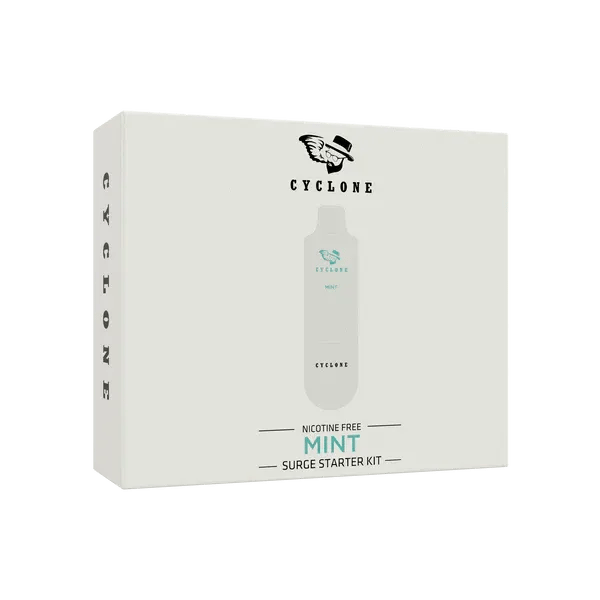
Cyclone Pods was thoughtfully crafted for adults who enjoy the ritual and flavor of vaping, but don’t want nicotine or unnecessary additives in the mix.
Unlike many traditional vapes and shisha products, Cyclone Pods contain no nicotine, no tobacco, no diacetyl, and no vitamin E acetate. These ingredients have been associated with well-known health concerns.
Instead, Cyclone uses high-purity vegetable glycerin (VG), propylene glycol (PG), and food-grade flavorings, all thoughtfully sourced. The devices also feature high-quality coils. This allows the vape juice to heat evenly and smoothly, helping reduce the formation of harsh or unwanted byproducts, such as acrolein and formaldehyde.
The devices are also built with high-quality coils and casing, designed to minimize the risk of heavy metals leaching into the vapor.
If you’re curious about nicotine-free vaping options, here’s what you can explore:
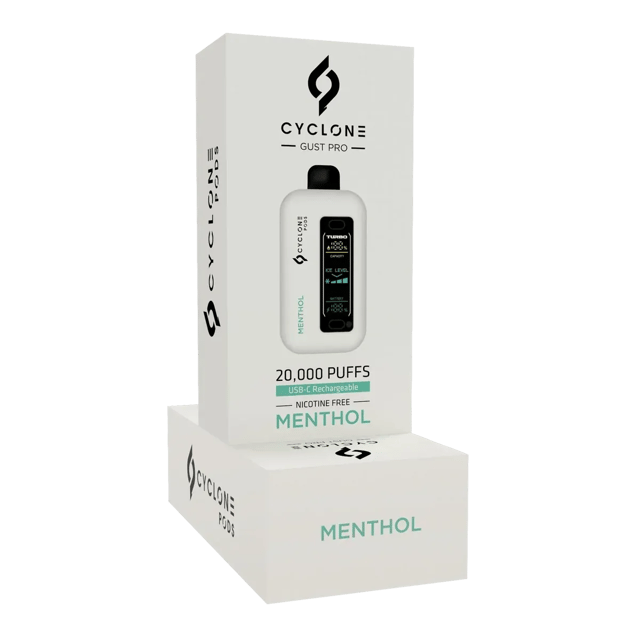
1. Cyclone Pods Nicotine-Free Gust Pro Disposable Vape
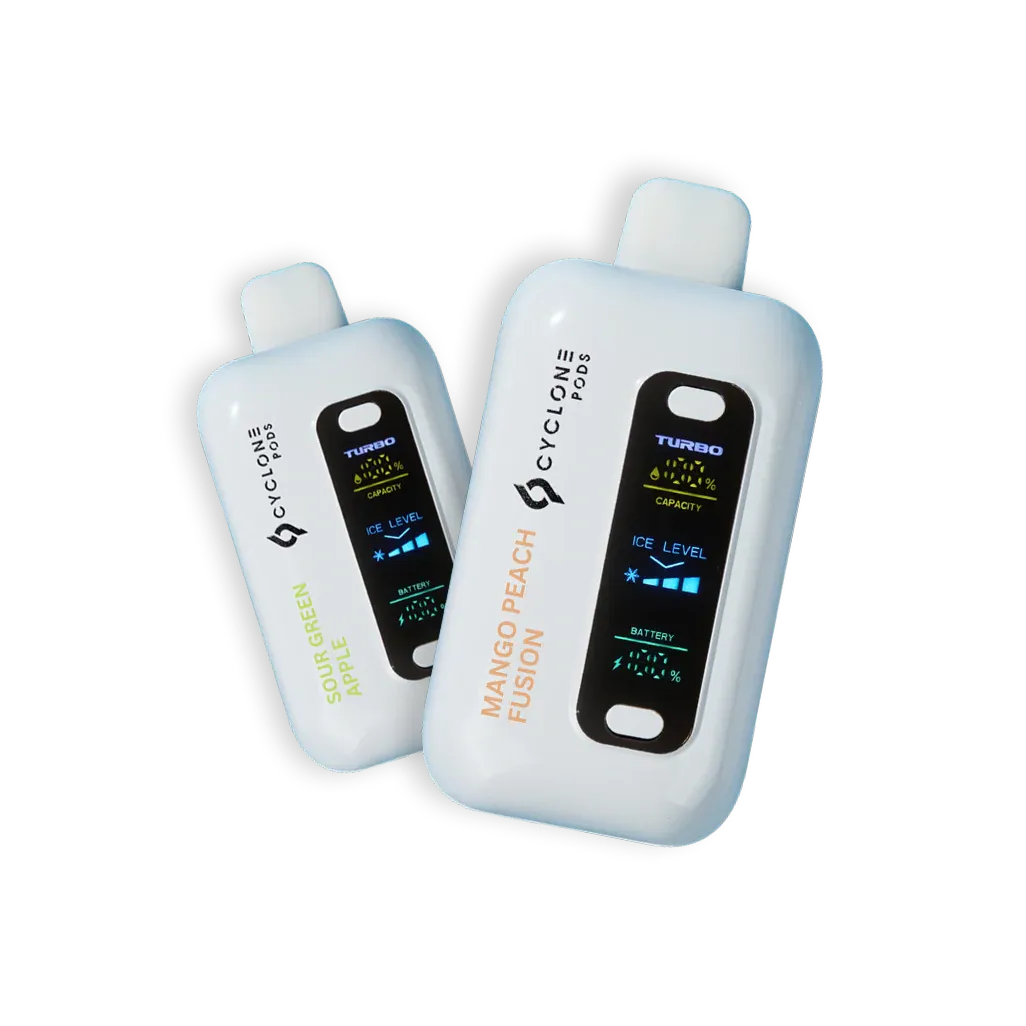
Built for power, the Gust Pro offers 20,000+ ultra-smooth puffs with customizable ice settings and turbo boost mode. Additionally, this disposable vape pen features a smart battery and a liquid indicator. It’s for vapers who crave bold flavor and complete control.
You can choose from 14 vibrant flavor options, including:
2. Cyclone Pods Nicotine-Free Lightning Pod Kit Vape
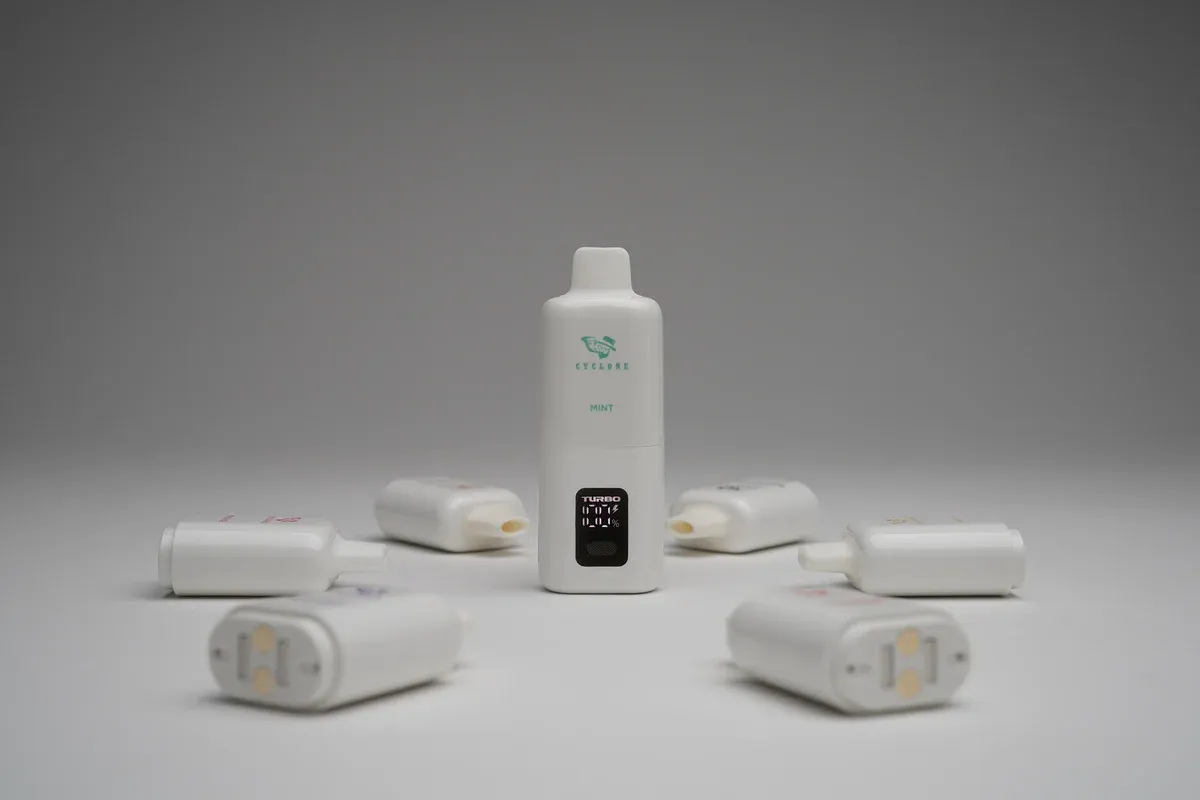
Lightning is our sleekest nicotine-free vaping device. It’s crafted with a lightweight, pocket-friendly design and 7ml replaceable pods delivering up to 10,000 puffs per pod. It includes a clear battery level display and a built-in turbo mode for instant flavor and cloud boosts.
You can pair the Lightning device with 13 distinct pod flavors, including:
3. Gust Core
Rated 50,000 puffs, $25, 9 flavors, rechargeable via USB-C, assembled in the USA.
So, when should you consider Cyclone Pods products?
- You’re prepared to break free from nicotine dependence for good.
- You want to avoid exposure to harmful chemicals.
- You’re concerned about the long-term impact of nicotine use.
- You’re looking for the experience and satisfaction without the addiction.
Try out our nicotine-free range today. See our Gust Pro and Lightning lab results. For more, see find the right product for your needs.