Acrolein is a toxic chemical that can sometimes show up in e cigarette or vape aerosol.
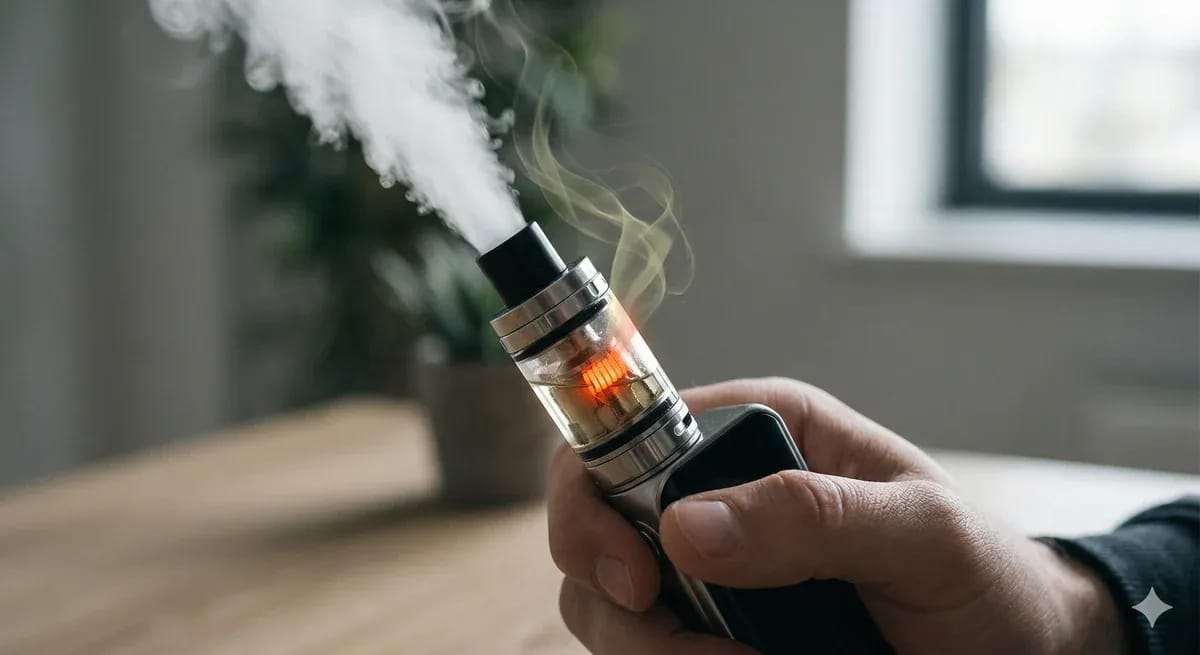
It typically forms as a byproduct when vape liquid inside an electronic cigarette gets too hot.
Why does that matter? It’s because high acrolein exposure has been linked to irritation in the airways and other potential health risk concerns.
Let’s discover why acrolein forms while vaping, and the factors that increase the chances of this happening. You’ll learn how choosing well-designed vape products and quality vape juice can help reduce the conditions that lead to acrolein formation.
Further Reading:
|
What Is Acrolein and How Does it Form During Vaping?
Acrolein is a colorless, toxic chemical with a sharp, irritating smell. It belongs to a group of chemicals called aldehydes, which often form when organic substances are heated or burned.
Acrolein is typically used as a herbicide to kill aquatic weeds and as a raw material in industrial manufacturing.
Now, how does it get into your vape aerosol?
Well, acrolein doesn't exist in vape e-liquids from the start—it forms when the liquid gets too hot.
E-liquids typically contain two main ingredients: vegetable glycerin (VG) and propylene glycol (PG). When an e-cigarette heats these ingredients to create vapor, excessive heat can cause them to break down.
During this thermal breakdown process, small amounts of acrolein can form and become part of the vapor you inhale.
While both PG and VG produce harmful chemicals at high heat, acrolein is primarily linked to VG breakdown.
The next question is obvious: what does acrolein exposure actually do to the body? Let’s dive into that.
What Are the Harmful Effects of Acrolein Exposure Through Vaping?
Health organizations have studied acrolein exposure for years because of how strongly it can irritate human tissues.
In fact, the World Health Organization has identified acrolein as a harmful airborne chemical and established inhalation guidelines to limit exposure.
Here are some of the main health risks linked to higher acrolein exposure:
1. Risk of Respiratory Irritation and Lung Disease
The American Lung Association says that breathing in acrolein can irritate the airways and may contribute to lung disease.
People exposed to higher levels may notice symptoms like:
- Persistent coughing
- Throat and airway irritation
- Burning in the nose or eyes
- Difficulty breathing in severe cases
Over time, repeated exposure to acrolein may affect overall lung health and may worsen existing respiratory conditions. In extreme cases, it may even cause irreversible lung damage.
2. Heart and Blood Vessel Problems
According to the United States Environmental Protection Agency, breathing in acrolein can trigger harmful reactions in the body. For example, it can irritate the lining of blood vessels and interfere with how those vessels relax and contract to control blood flow.
Over time, repeated exposure to this toxic chemical may place extra stress on the cardiovascular system.
3. Possible Damage to Cells and Genetic Material
According to the Agency for Toxic Substances and Disease Registry, acrolein can react with important molecules inside cells, including proteins and DNA.
Laboratory studies show that acrolein can:
- Attach to DNA and form chemical bonds called DNA adducts
- Damage to DNA in certain cells
- Interfere with normal DNA repair processes
This type of interaction can affect how your cells repair themselves. Over time, repeated exposure to acrolein could weaken your body’s natural defenses.
It’s no surprise that researchers view acrolein exposure from vaping as a potential public health concern. Nicotine can make this worse in an indirect way. While it doesn’t create acrolein itself, it can lead people to vape more often, which may increase overall exposure.
But acrolein doesn’t automatically appear in large amounts during vaping. The amount that forms depends heavily on how the device heats the liquid and how the vape is used. Let’s go over these factors next.
4 Factors That Affect How Much Acrolein Is in Your Vape Aerosol
These factors can influence how much acrolein appears during e cigarette use:
1. Device Temperature and Power Settings
High heat is the biggest factor in acrolein formation.
A vape device can get hotter than intended when:
- You use high power or increase the voltage too much.
- The coil isn’t fully saturated with vape liquid, causing dry spots.
- Poor-quality coils heat unevenly, creating hot spots that can increase acrolein formation.
In these situations, the liquid on the coil can overheat instead of vaporizing smoothly.
Research found acrolein levels in e cigarette aerosol increased up to 200 times as the output voltage climbed.
Modern vape products try to manage this risk by controlling power levels and stabilizing coil temperature.
2. PG/VG Ratio in Vape Liquid
VG is the primary source of acrolein in e cigarette vapor. The more of it in your vape juice, the more acrolein gets produced when heated.
One study found a 28-fold increase in vapor-phase acrolein as VG content climbed from 0% to 80%.
There's also a mid-session effect: Propylene glycol evaporates faster than VG, so your liquid becomes progressively more VG-heavy as the juice depletes. When this happens, there is a higher chance of acrolein forming in your vapor.
3. Purity of the Base Ingredients
Lower-quality VG and PG can contain impurities. When heated, these impurities may break down, forming additional byproducts, including compounds such as acrolein.
These impurities may also prevent smooth vaporization of liquids, again risking acrolein formation.
4. Coil Age and Residue Buildup
Over time, residue builds up on the coil from repeated vaping. When this buildup is reheated repeatedly, it can begin producing additional by-products.
A study by the Lawrence Berkeley National Laboratory found that levels of aldehydes, including acrolein, rose as residue accumulated on the coil.
These factors show that acrolein formation depends heavily on both vape juice and device quality.
So the device you choose can make a real difference. While no vape product can completely eliminate chemical by-products, certain devices, such as Cyclone Pods, help minimize the exposure risk.
Reduce Your Acrolein Exposure With Cyclone Pods
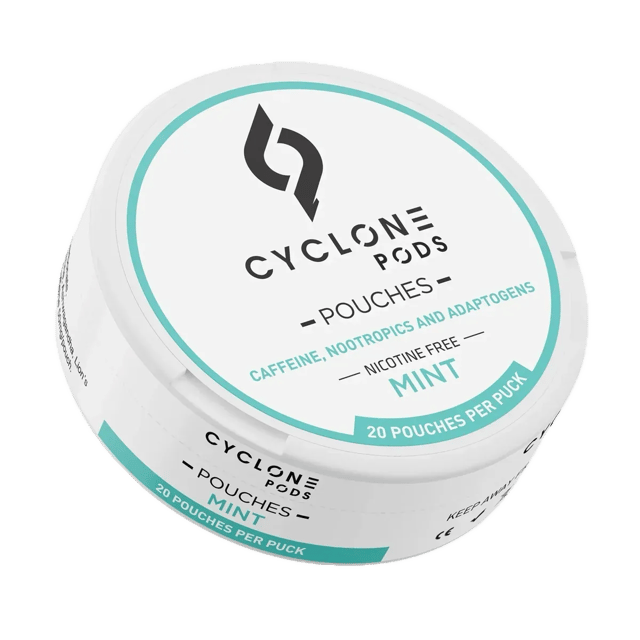
Cyclone Pods is a nicotine-free vape brand for people who want to keep the ritual without feeding addiction.
With zero nicotine, you’re not feeding an addiction or vaping out of compulsion. You’re simply enjoying the experience. This naturally means you may reach for your vape less often, which can help lower your overall exposure to potentially harmful chemicals.
Beyond being nicotine-free, our devices are designed to keep heating more stable during use. This means fewer chances of any harmful byproducts appearing in the vapor.
The lab data backs this up. In our July 2026 panel (Legend Technical Services, Work Order #2602062), acrolein came back non-detect in most of the six Gust Pro and Lightning flavors tested and reached only 1.1 µg/g at its highest — the low end you'd expect from stable, normal-temperature use rather than an overheating coil. We don't claim zero; we claim measured and low.
Here’s a quick look at how we manage this:
-
Controlled power output – helps prevent excessive heating that can increase acrolein formation.
-
Consistent liquid delivery – keeps the coil properly saturated and reduces dry-puff conditions.
-
High-purity VG/PG base – helps reduce impurities that can break down into unwanted by-products.
-
Food-grade flavoring ingredients – carefully selected flavorings help maintain more stable vapor chemistry.
-
Balanced VG/PG ratio – helps prevent excess VG from overheating and breaking down into compounds like acrolein.
- Temperature-stable ceramic coils – ensure even heating of the vape liquid, helping prevent hot spots.
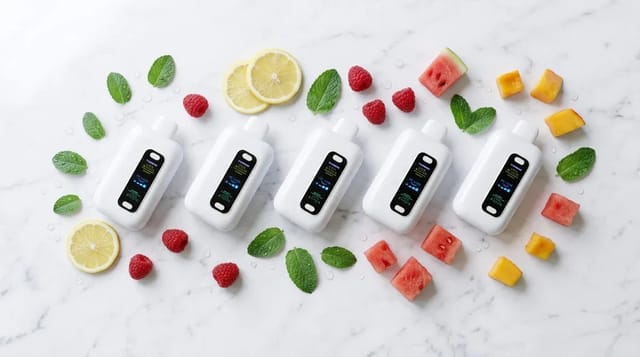
So what does this look like in practice? Here are a few Cyclone Pods devices that bring these design choices together.
1. Gust Pro Nicotine Free Disposable Vape
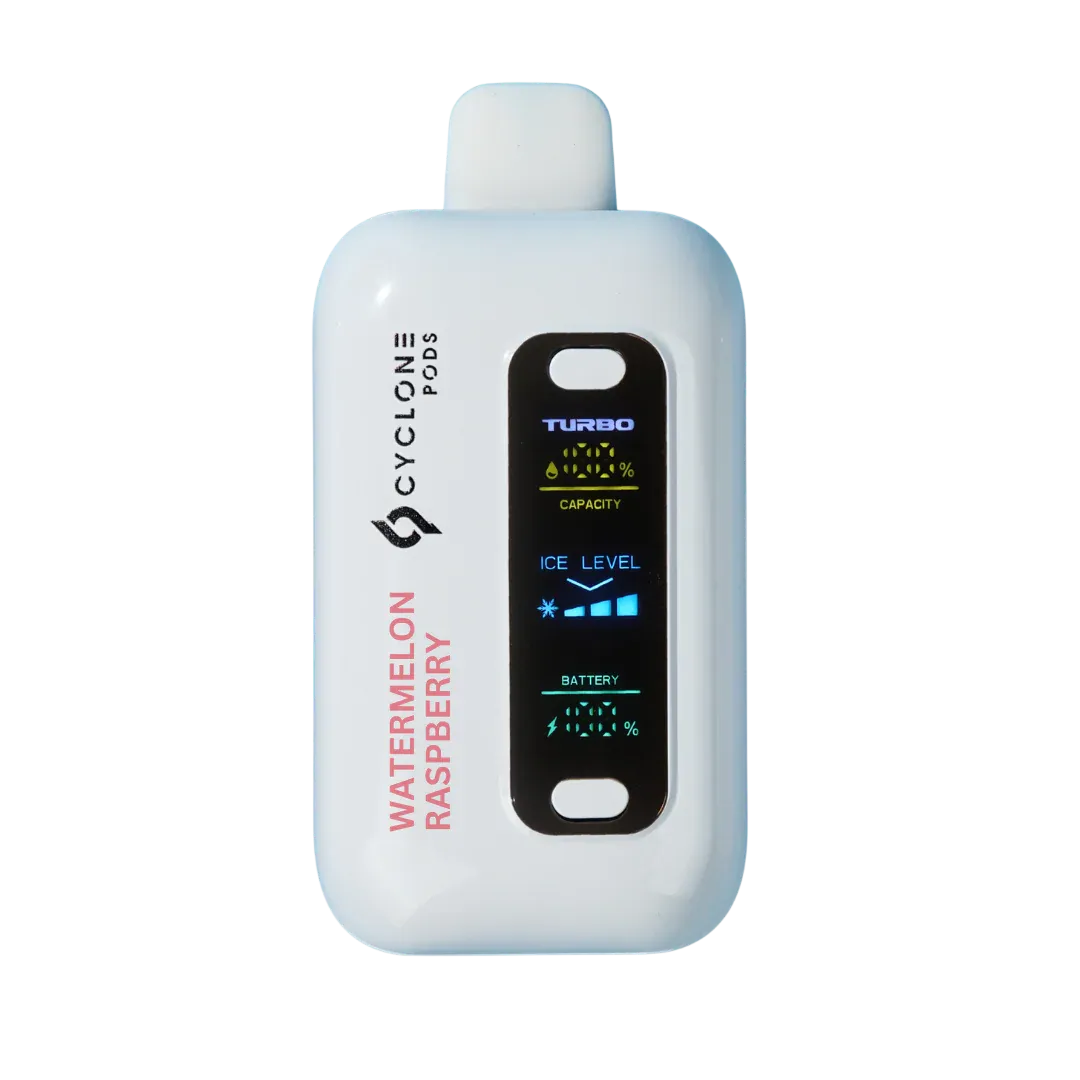
The Gust Pro is a rechargeable disposable that's ready to use straight out of the box — no pods to swap, no settings to figure out. Just pick your flavor, and you're good to go.
Key features:
- 15ml flavor tank plus a 6ml ice tank (21ml total), rated at 20,000 puffs
- Adjustable ice control across 4 levels — from a subtle chill to full glacier
- Turbo Boost button for stronger, more intense hits on demand
- Sharp LED screen to track battery, liquid, and ice levels
- Rechargeable via USB-C
- 14 delicious flavors to suit every preference
2. Lightning Nicotine-Free Pod Vape Kit
A slim, rechargeable pod system for vapers who want a little more say over their experience. The Lightning lets you swap flavors through replaceable pods and dial up the vapor intensity whenever you want it.
Key features:
- 7ml pre-filled pods with up to 10,000 puffs per pod
- Magnetic pod connection — snap in, swap out, no mess
- Built-in LED battery display so you always know your charge level
- Turbo Mode for bigger clouds and stronger flavor on demand
- Rechargeable via USB-C
- Wide flavor range — not locked to your starter flavor
Device design can help reduce the conditions that lead to unwanted by-products. But how you vape also plays a big role. A few simple habits can go a long way in lowering acrolein exposure.
4 Ways to Lower Your Acrolein Exposure From Vaping
These small habits can make a noticeable difference in how much acrolein forms during vaping:
-
Keep wattage moderate (if using a refillable vape): Higher power overheats the coil and can sharply increase aldehyde production.
-
Don’t let the tank run dry: Dry puffs happen when the coil fires without enough liquid, which can cause a sudden spike in acrolein.
-
Replace coils regularly (for refillable devices): Residue buildup on older coils can increase aldehydes over repeated heating cycles.
- Consider nicotine-free vaping: Removing nicotine reduces the urge for longer or more frequent sessions, which can lower overall exposure.
Explore the Cyclone Pods nicotine-free range to enjoy a cleaner, smoother, and addiction-free vaping experience.